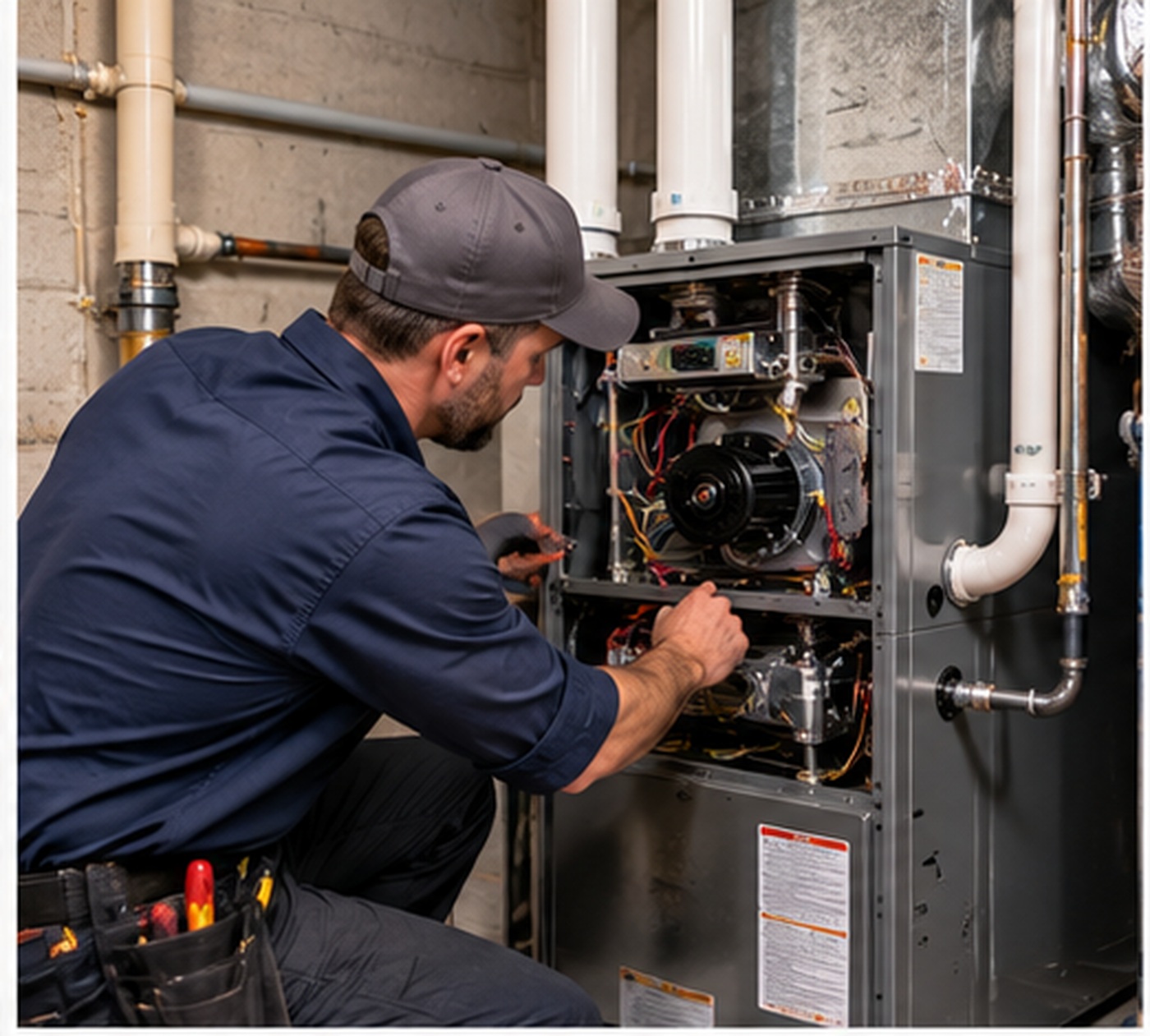
A quality furnace installation ends with commissioning, checking gas pressure, airflow, and the sequence of operation, which is a step many lowest-bid installs skip.
A new furnace tied to leaky or undersized ducts cannot deliver its full comfort, so a proper installation checks and seals the ductwork rather than only swapping the unit.
Furnace installation in Utah generally requires a mechanical permit and an inspection, and the contractor should hold a state S350 Specialty Contractor License verifiable through DOPL.
Every sound furnace installation begins with sizing, and sizing is a calculation, not a guess. A Manual J load calculation measures what the specific home actually needs, accounting for square footage, insulation, windows, orientation, and elevation, rather than copying the size of whatever furnace came before. Elevation is a real factor across the Ogden area, since a home on the valley floor near 4,300 feet, one on the East Bench between roughly 4,500 and 4,800 feet, and one up in the Ogden Valley above 5,000 feet do not carry the same heating load. A furnace installation in Ogden that skips the calculation and matches the old nameplate risks installing a furnace that is the wrong size for the home.
Size errors are not harmless. An oversized furnace heats the house quickly, shuts off, and fires again a short time later, cycling on and off in a pattern that wears parts, wastes gas, and leaves rooms unevenly warmed. An undersized furnace struggles to keep up on the coldest Ogden nights. A correctly sized unit runs longer, steadier cycles that hold an even temperature and move air consistently through the ducts. This is why a careful furnace installation in Ogden opens with the load calculation and treats the result as the specification for the equipment, rather than working backward from a unit the crew happens to have on the truck.

A furnace pushes its heated air through the home's ductwork, and a new furnace tied to poor ducts cannot deliver its full comfort. Part of a quality furnace installation in Ogden is checking that the existing ducts can carry the airflow the new furnace produces, sealing leaks that waste heated air into attics and crawl spaces, and correcting any restrictions that would choke the system. Where the ducts are sound, this is a quick check; where they are leaky or undersized, addressing them is what lets the furnace perform. Skipping this step is a common reason a new furnace disappoints a homeowner who expected better comfort.
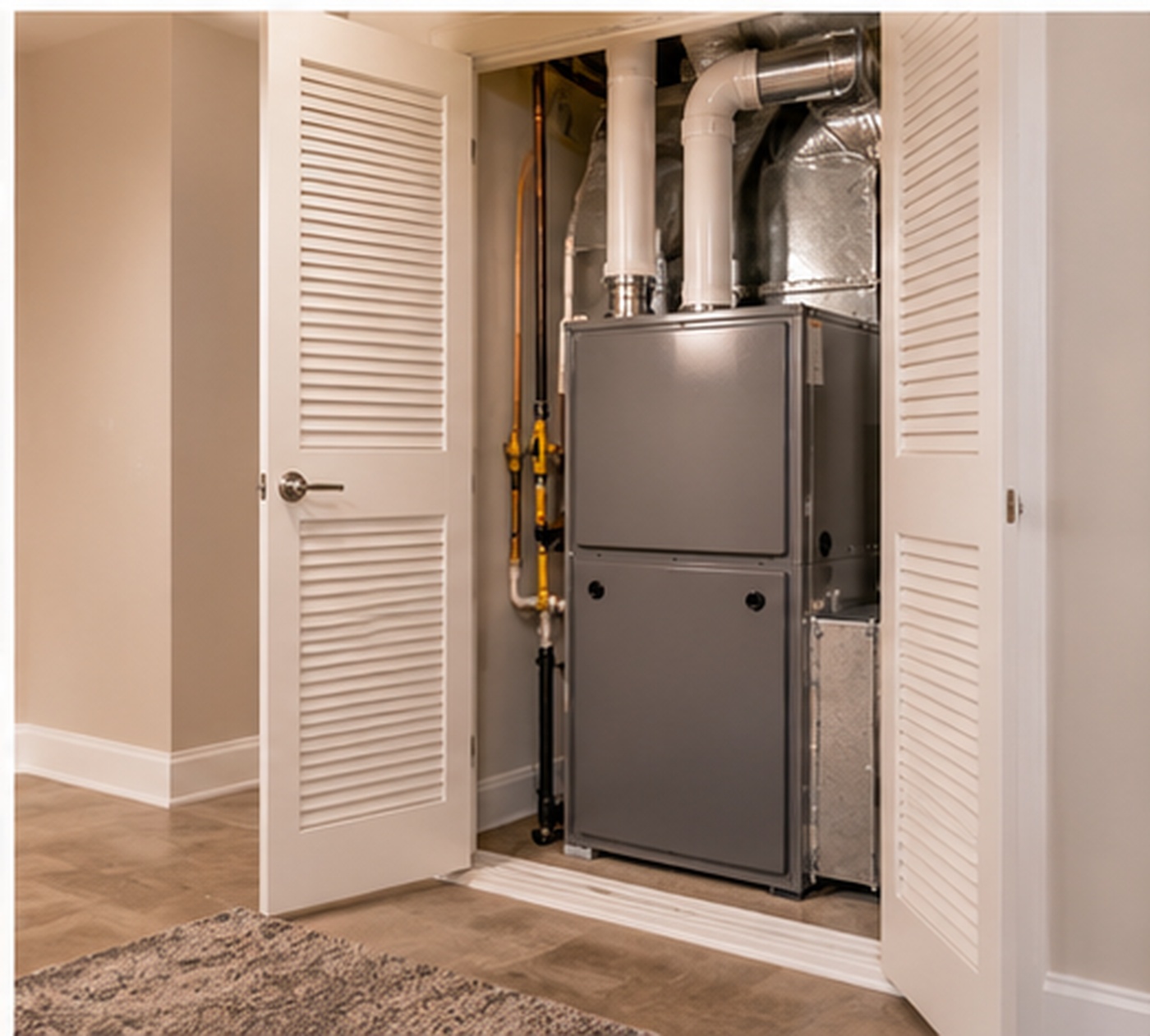
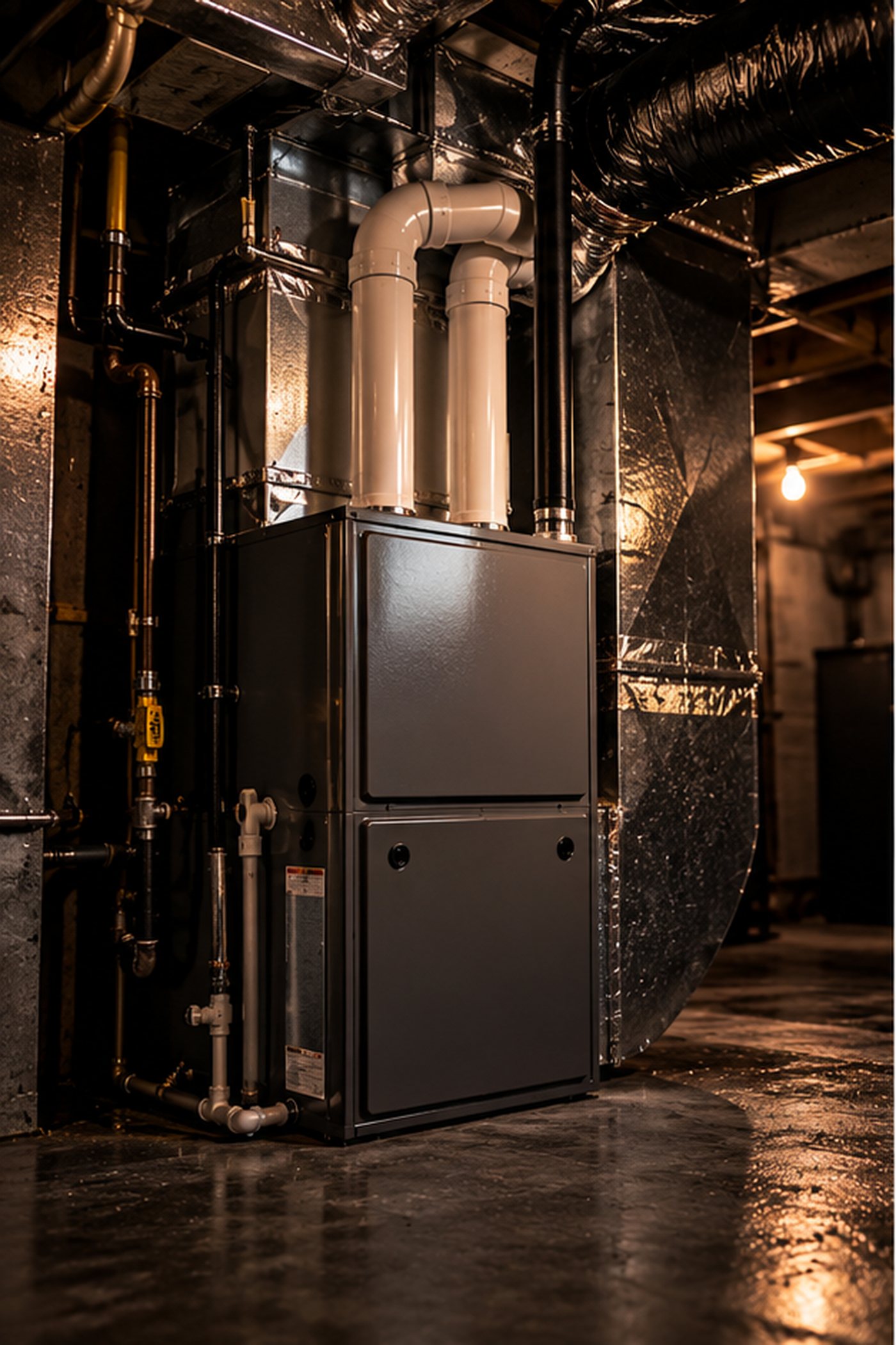
Venting is equally important, and it differs by furnace type. A high-efficiency condensing furnace vents through PVC pipe and produces condensate that has to drain correctly, while a standard furnace uses a metal flue. Getting the venting right is a safety matter as much as a performance one, since combustion gases must leave the home completely. A proper furnace installation in Ogden sets the venting to code for the specific furnace, confirms the condensate drains freely, and verifies that the combustion air supply is adequate. These are the behind-the-scenes details that separate a professional installation from a fast one.
Setting a furnace in place is not the end of the job. A quality furnace installation in Ogden finishes with commissioning, the process of verifying that the installed system actually performs to specification. That means checking the gas pressure, confirming the airflow across the heat exchanger, testing the sequence of operation, and making sure the furnace fires, stages, and shuts down as it should. A furnace that runs but was never properly set up can waste fuel and wear out early, so the commissioning step is where a careful contractor confirms the homeowner is getting what they paid for. This final verification is a mark of a professional furnace installation in Ogden that many lowest-bid installs skip.
The permit and inspection are part of doing it correctly as well. HVAC equipment installation in Utah generally requires a mechanical permit and inspection, and the installing contractor should hold a Utah Specialty Contractor License, classification S350, verifiable through the Utah Division of Occupational and Professional Licensing lookup. A licensed contractor pulls the permit as part of the job, so an independent inspection confirms the work meets code, and the installation is on the record for the home. A furnace installation in Ogden handled by a licensed, permitted contractor protects the homeowner in a way an unpermitted cash job never can, and it matters for the home's records at a future sale.


Homeowners often focus on the furnace brand, but the contractor who installs it has more influence over the outcome than the label on the unit. Correct sizing, sound ductwork, proper venting, careful commissioning, and a permitted, inspected job are what turn quality equipment into a quality result, and those all come from the installer. A furnace installation in Ogden done by EPA-, RMGA-, and BPI-certified technicians working for a Utah licensed, bonded, and insured company, backed by a written satisfaction guarantee, is a different product than the same furnace installed by whoever bid lowest. The guarantee is the tell: a company willing to back materials, labor, and craftsmanship for up to two years is standing behind the installation, not just the box.
Financing and transparent pricing round out a professional approach. Because a furnace is a significant purchase, a homeowner deserves the options and the cost laid out upfront through a program like StraightForward Pricing, with no hidden fees, and financing available to keep a correctly specified system reachable, including a limited-time 0 percent financing offer on installations. That combination of an honest quote, real financing, and installation quality is what a homeowner should look for, and it is worth more than a rock-bottom price on the equipment with an install to match.
Two parts of a furnace installation that homeowners never see, combustion air and condensate handling, quietly decide whether the system runs safely and lasts. Every gas furnace needs an adequate supply of combustion air, and a furnace tucked into a tight utility closet or a sealed basement in a newer, well-insulated Ogden home can starve for air if the installation does not provide for it. A careful installer confirms the combustion-air supply meets code for the space, because a furnace short on air burns inefficiently and can produce carbon monoxide. This is one of the checks that separates a professional installation from a fast one, and it is invisible on the invoice.
Condensate is the other. A high-efficiency condensing furnace produces water as it pulls extra heat from the combustion gases, and that condensate has to drain reliably. In a cold climate like Ogden's, a condensate line routed through an unconditioned space can freeze if it is not installed with that risk in mind, which shuts the furnace down. An installer who understands Northern Utah winters routes and protects the condensate line so it keeps draining through a January cold snap. These are the kinds of details a homeowner cannot easily inspect but which determine whether a new furnace runs trouble-free or throws faults in the coldest weather.

The mechanical permit and independent inspection that come with a proper installation are not red tape; they are a second set of eyes on the work. An inspector confirms the gas connections, venting, and electrical meet code, which protects the homeowner from mistakes and creates a record that the work was done correctly. When the home is later sold, that permitted installation shows up as a documented improvement rather than an unrecorded question mark, and it can smooth an inspection or appraisal. A homeowner who hires a licensed contractor gets that protection built in, since the contractor pulls the permit as part of the job.
The alternative, an unpermitted cash install, carries real risks. There is no independent check on the work, no record for the home, and often no meaningful warranty if something goes wrong. For a system that runs on gas and vents combustion products through the home, that missing oversight is not worth the small saving. A homeowner across Weber County, from the 84403 East Bench to Clearfield's 84015, is better served by a permitted, inspected installation from a Utah licensed contractor, which is why the license and permit belong on the checklist alongside the equipment. The paperwork is part of the safety, not separate from it.
Communication is part of a good installation as much as the wrenching. A homeowner should come away from the job understanding how the new furnace operates, how often to change the filter, what the warranty requires, and how to reach the company if a question comes up. A company that walks the homeowner through the finished system, rather than packing up and leaving, is one that expects a long relationship with the home. That follow-through across Weber and Davis County is a mark of a professional installation, and it is part of why the choice of contractor matters well beyond the day the furnace is set in place.
One Hour Heating and Air Conditioning of Ogden is an independently owned and operated One Hour franchise, owner-led by Matt McFarland and based at 372 24th Street, Suite 430, Ogden, UT 84401. With a 5-star rating across 568+ Google reviews, StraightForward Pricing, the Always On Time Or You Don't Pay A Dime promise, a two-year satisfaction guarantee, financing, and Utah licensed, bonded, and insured operation, the company sizes, installs, and commissions a furnace to perform in a Northern Utah winter. For a new system anywhere from the valley floor in central Ogden to the Ogden Valley above Huntsville, a licensed Ogden HVAC contractor can handle furnace installation in Ogden from calculation to inspected finish. Call (801) 829-7633 for a free consultation.
Redirect to:
|
This page is a redirect. The following categories are used to track and monitor this redirect:
|