Water Leak Detection and Repair

Water Leak Detection and Repair

Some water leaks announce themselves with a burst pipe and a flooded floor. The more expensive ones hide. A slow leak inside a wall, under a slab, or along a buried line can run for months, driving up the water bill and quietly damaging a Boerne home before anyone notices. Finding these hidden leaks without tearing a house apart takes the right tools and method. Here is how water leak detection and repair works, and what the warning signs look like.


The signs of a hidden leak

Hidden leaks leave clues. Inside, watch for wall or ceiling stains, water-damaged baseboards, warped or buckling flooring, damp carpet, and mildew or mold growth. A warm spot on a tile or concrete floor can signal a hot water slab leak, while a musty smell or the sound of running water when no fixtures are on points to water escaping somewhere out of sight. A water bill that jumps without a change in usage, or a water meter dial that moves when everything is off, is one of the clearest signals. Outside, unusually green grass or wet spots in the yard can mark a buried line leak.

A moving meter reveals a leak

With every fixture off, a water meter dial that still moves means water is escaping somewhere in the system. This simple check is one of the clearest early signs of a hidden leak.

Boerne water runs hard

Boerne's groundwater from the Trinity Aquifer runs around 15 to 20 grains per gallon, a heavy mineral load that leaves scale in pipes and contributes over time to the corrosion behind pinhole and slab leaks.

Infrared finds moisture behind surfaces

Infrared cameras reveal the temperature differences that hidden moisture creates behind walls and under floors, letting a plumber locate a leak without opening surfaces to look for it.


Social Media & Citations

How non-invasive detection works

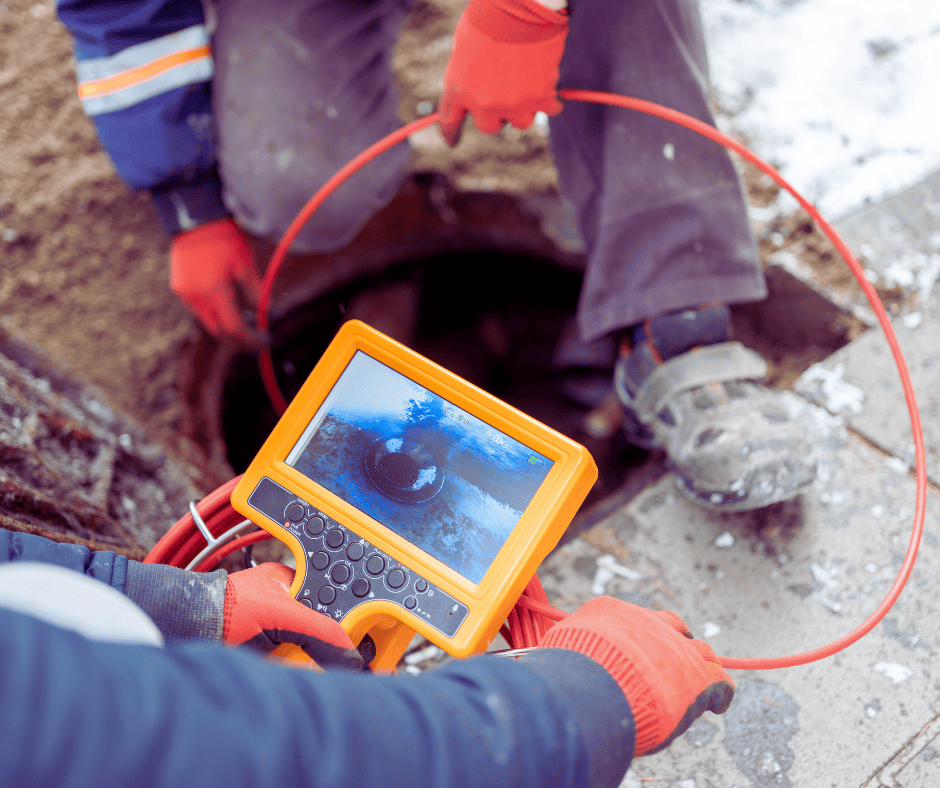
Modern leak detection finds the source without guesswork or unnecessary demolition. Plumbers use acoustic listening devices that hear water escaping under pressure, infrared cameras that reveal temperature differences from moisture behind surfaces, and pipe locators that trace lines through walls and slabs. Pressure gauges and meter readings confirm whether a system is losing water and help isolate where. By combining these tools, a plumber can pinpoint a leak to a small area, which means opening the smallest possible access point to reach it rather than exploratory holes across a wall or floor. That is the difference between a targeted repair and a demolition project.

Slab leaks and Boerne's ground

Homes built on concrete slabs, common across Boerne, can develop slab leaks where a water line beneath the foundation fails. The area's hard water, running around 15 to 20 grains per gallon from the Trinity Aquifer, leaves scale inside pipes, and over years that mineral load, combined with copper pipe corrosion and ground movement in the shallow limestone soil, can wear a pinhole or crack in a line under the slab. Slab leaks are among the trickiest to find because the water is hidden beneath concrete, which is exactly where acoustic and infrared detection earn their keep by locating the leak before any concrete is touched.

Repair options once the leak is found

Finding the leak is half the job; the repair is matched to what the detection shows. An isolated pinhole or a worn fitting often needs only a targeted spot repair. A section of pipe failing along its length may call for replacing that run. When old pipe is failing in several places throughout a home, a whole-home re-pipe can be the better long-term answer than chasing one leak after another. A good plumber lays out the options with written pricing before opening anything, so the homeowner knows the plan and the cost before work starts.

Fast, tidy leak service in Boerne

Because water damage compounds, leak detection is time-sensitive, and a tidy, accurate job protects the home. Gottfried Plumbing provides leak detection in Boerne using acoustic, infrared, and pipe-locating tools to find hidden and slab leaks, then repairs them with the smallest possible access. A family-owned Boerne company holding Texas plumbing license #43658, Gottfried offers 24/7 service for active leaks, written quotes before any wall or slab is opened, and photo documentation for insurance claims.

Catch it before it spreads

A hidden leak rarely gets better on its own; it gets more expensive. Knowing the signs, from a jumping water bill to a warm spot on the floor, and calling for detection early keeps a small leak from becoming structural damage and mold. With the right tools, a Boerne leak can be found and fixed with minimal disruption, which is the whole point of doing it properly.

For water leak detection and repair in Boerne, call Gottfried Plumbing at (830) 331-2055 for 24/7 service and written pricing.

Redirect to:


Check our other pages :

Frequently Asked Questions

Plumbers use acoustic listening devices, infrared cameras, and pipe locators to pinpoint a leak to a small area, then open only the smallest access point needed to reach it. This non-invasive approach finds hidden and slab leaks without exploratory holes across walls or floors.
Warm spots on a tile or concrete floor, damp or cracked slab areas, the sound of running water with no fixtures on, and an unexplained jump in the water bill are common signs. Boerne's hard water and slab foundations make these leaks worth checking with acoustic and infrared detection.
Check the water meter with every fixture off. If the dial still moves, water is escaping somewhere in the system. A bill that rises without a change in usage, combined with damp spots, stains, or a musty smell, strongly suggests a hidden leak worth having detected.