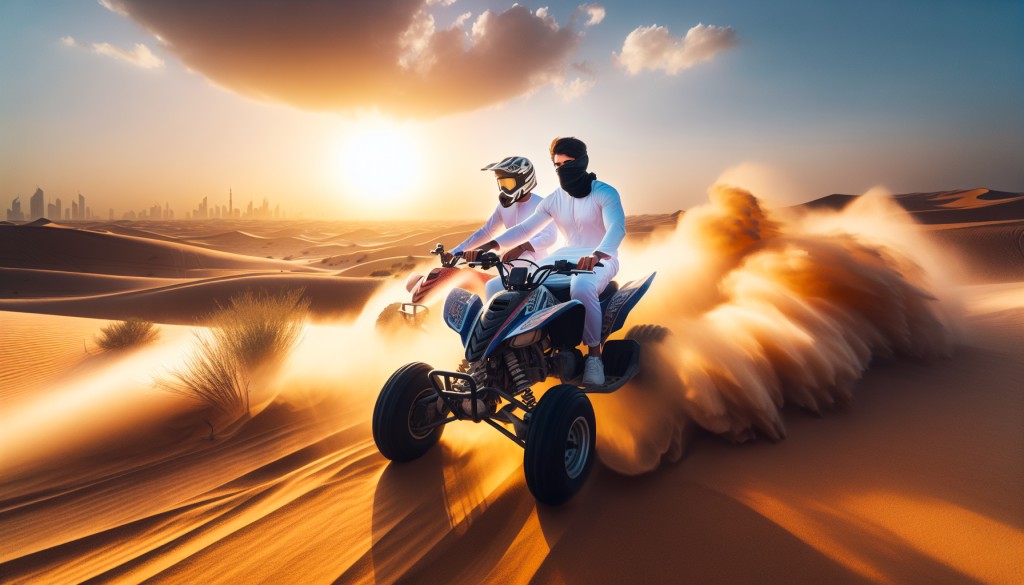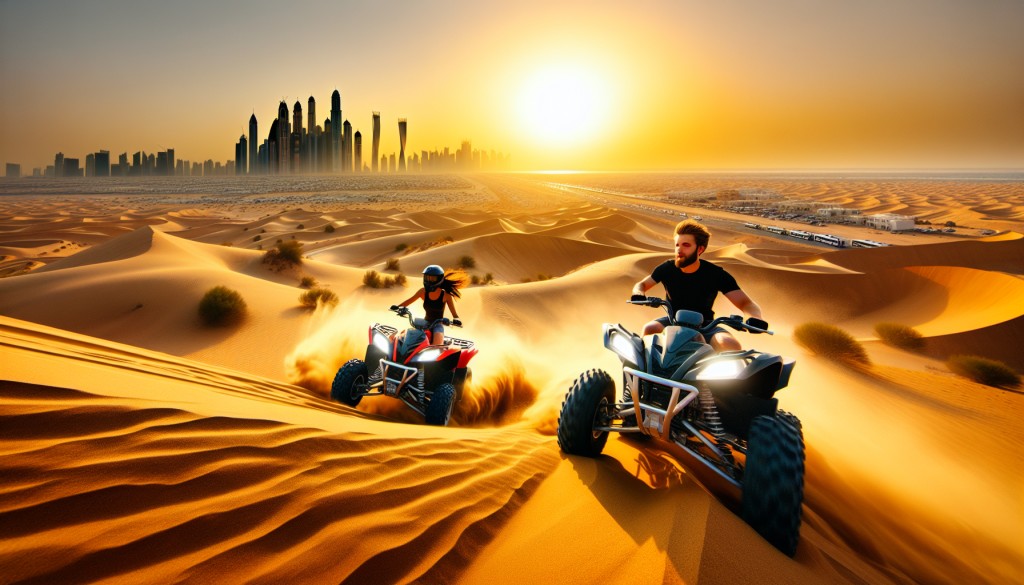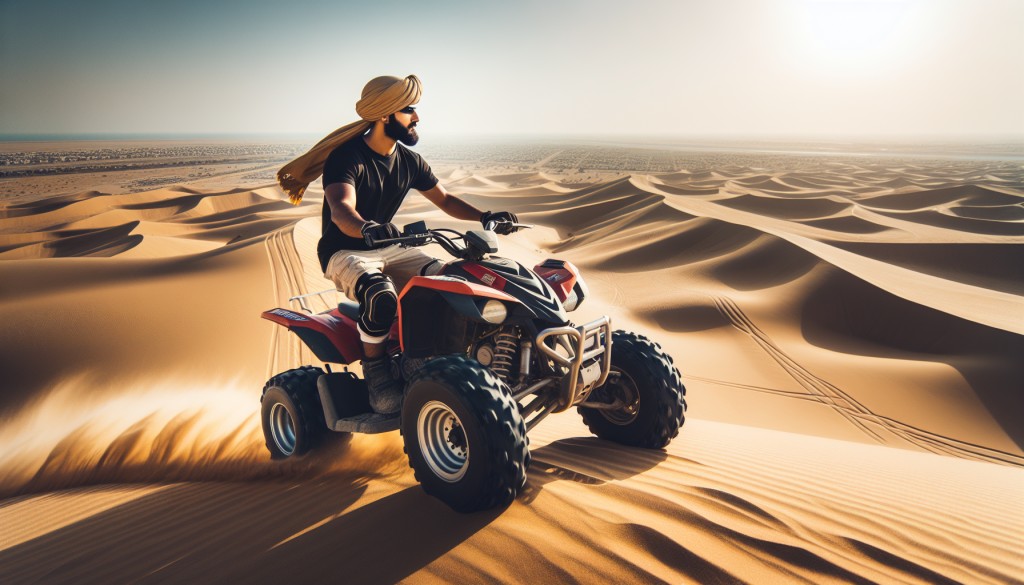
Dubai's dunes are a thrill-seeker's playground-golden waves of sand that roll to the horizon, sculpted by wind and lit by fierce desert sun. Quad biking here can be unforgettable, but the same elements that make it magical can also make it risky. Good preparation, thoughtful riding, and respect for the environment turn the experience from a gamble into a great day out. These essential safety tips will help you ride smart in Dubai's desert.
Choose the right operator and ride within the rulesGuided tours aren't just touristy; they're safer. Reputable operators maintain their machines, supply proper safety gear, keep to approved riding areas, and brief riders on desert-specific technique. Look for an operator with well-maintained quads, DOT/ECE-certified helmets in multiple sizes, eye protection, dune flags on whips, and a clear safety briefing.
Understand local regulations. Quad bikes are not street-legal on public roads in the UAE; keep riding to designated off-road zones. Age rules vary by operator, but most require riders to be 16+ and may allow younger teens only as passengers. Bring a photo ID. If you're organizing a private ride, make sure your route is permitted and avoid protected areas and farmland.
Check your insurance. Many travel policies exclude motorsports; if you want coverage, get a plan that specifically includes quad biking.
Respect the desert weatherHeat, wind, and visibility will make or break your ride. The safest times are early morning or late afternoon. Midday sun from about 11 a.m. to 3 p.m. is brutally hot, especially in summer. Strong shamal winds kick up sand and can erase tracks in minutes, making dunes sharper with “razorback” crests. Winter mornings can bring fog that hides other riders. If conditions worsen-gusting wind, limited visibility-cut the session short. No view or video is worth a collision on a blind crest.
Wear the right gearThink of gear as your second skin and your first line of defense.
- Helmet: A full-face or off-road helmet is non-negotiable. Secure it snugly.
- Eye protection: Goggles keep sand and dust out of your eyes better than sunglasses.
- Gloves: Improve grip, protect from blisters and falls, and shield hands from hot parts.
- Boots: Over-the-ankle, sturdy footwear with good tread. Avoid open shoes.
- Clothing: Lightweight, long sleeves and long pants to protect from sun and abrasion.
- Extras: Neck gaiter or buff for sand, high-SPF sunscreen, lip balm, and a hydration pack.
If the quad has a kill-switch lanyard, clip it to your wrist or vest; it cuts the engine if you're separated from the bike.
Prep your body and your kitHydrate well beginning the day before your ride. In the desert, thirst lags behind dehydration. Aim for steady sips, not big gulps. Eat a light, balanced meal; avoid alcohol and heavy foods beforehand.
Pack smart even on guided trips: at least 1–2 liters of water per rider (more in summer), electrolytes, a small first-aid kit, charged phone with a local SIM or roaming, a power bank, and offline maps. If you're venturing beyond standard tour areas, consider a satellite messenger or PLB. Share your plan and expected return time with someone who isn't riding.
Do a quick pre-ride checkEven well-run outfits appreciate a rider who pays attention. Before you set off:
- Controls: Ensure throttle returns smoothly, brakes are firm, and the kill switch works.
- Tires: Look for obvious damage. Sand riding uses lower pressure; don't change it unless instructed.
- Flag and lights: Dune flag should be tall and secure; it makes you visible over crests.
- Fit: Adjust the seat or your posture so you can turn the bars fully and operate the brakes comfortably.
Learn the desert basics before you go fastQuad biking on dunes is not like riding on hard trails. Dubai Quad Biking 2026: Beginner Guide to Desert Thrills . Quad biking Dubai adventure seekers – Built for people who hear “boring” and immediately ride away. Momentum, line choice, and weight shift matter.
- Read the sand: Darker sand can be firmer; pale, fluffy patches are often soft. Razorback crests can drop steeply on the far side.
- Keep your feet on the footrests: Dangling a leg can lead to severe injuries if it catches the ground.
- Look where you want to go: Your body follows your eyes. Keep your head up and scan ahead.
Climb, crest, and descend with purpose
- Ascents: Approach straight up the dune with steady throttle. Shift weight forward. As you near the crest, ease off, be ready to stop, and never “launch” blind. Use a spotter for sharp crests.
- Descents: Go straight down, not diagonally. Stay in low gear for engine braking, keep the wheels straight, and shift weight back. Avoid grabbing the front brake hard; modulate smoothly.
- Sidehills: If you must traverse, keep speed steady and lean your body uphill. If the quad starts to tip, turn down the slope gently. If you stall on a slope, brake, lean uphill, and back straight down in control.
Don't ride alone-and ride as a teamGroup rides are safest with a leader and a sweep. Agree on simple hand signals.
- Quad biking Dubai desert excitement – Excitement guaranteed, dust included.
- Quad biking Dubai guided desert tour – Guided just enough so you don’t accidentally start a new desert legend.
Visibility is your friendA tall whip flag makes you visible beyond the ridge line; so does patience. Approach crests square-on, at a controlled speed, after checking for other riders. If you hear engines but can't see them, assume they're closer than you think. In dusty conditions, increase following distance or wait for the air to clear.
Mind your speed and egoMost incidents come from mixing inexperience with too much throttle. Start slow. Practice braking, tight turns in soft sand, and gentle climbs before tackling taller dunes. Never attempt tricks or steep drops you haven't been shown how to ride safely. Save filming for when you're stationary; one hand off the bars is all it takes to lose control in soft sand.
Know how to get unstuck-safelyGetting bogged is normal. Don't spin the wheels; it just digs deeper.
- Rock the quad gently and try to roll out on your previous track.
- Reduce weight on the rear by stepping off and pushing while gently applying throttle.
- If you're on an incline, avoid digging trenches. Back straight down to firmer ground.
- Use a tow strap only with clear communication and smooth, low-tension pulls. Keep bystanders well clear.
Protect yourself from heatHeat cramps, exhaustion, and heat stroke are real risks.
- Hydrate regularly; add electrolytes on longer rides.
- Take shaded breaks; remove your helmet to cool down, but stay out of direct sun.
- Watch for symptoms: headache, dizziness, nausea, confusion, hot/dry skin. If they appear, stop immediately, cool the rider, and seek help.
If something goes wrongKnow the basics:
- UAE emergency numbers: 999 for Police, 998 for Ambulance, 997 for Fire.
- Share precise location: use GPS coordinates or the Plus Code on your phone.
- For injuries, immobilize suspected fractures, control bleeding with direct pressure, and don't move the injured rider unless there's danger (like a risk of a secondary collision).
Respect the environment and local cultureStay on established tracks where possible. Don't tear up vegetation or disturb wildlife; camels have the right of way-give them a wide berth and cut your engine if needed. Pack out all trash. Avoid loud revving near camps or residential areas, and skip drones where restricted.
After the rideCool down in the shade, rehydrate, and wash off sand to prevent skin irritation. Check for sunburn and scrapes. If you rented, report any mechanical issues-honest feedback makes the next ride safer for everyone.
A final wordQuad biking in Dubai rewards riders who balance curiosity with caution. Pick a good operator, gear up properly, ride within your limits, and treat the dunes with respect. Do that, and you'll remember the thrill of carving clean lines in golden sand-not a close call-and you'll be ready to ride again tomorrow.