
What Actually Determines Lesson Numbers
The number of lessons a learner needs is shaped primarily by how quickly they build competence across a set of core skills, rather than by simply accumulating hours behind the wheel. Vehicle control, such as clutch control and gear changes for manual learners, tends to develop at a different pace for everyone, and rushing this stage often leads to shakier progress later rather than genuine time saved.
Prior experience plays a significant role. Someone who has spent time driving off-road, on a private track, or even just observing and understanding traffic behaviour closely may need fewer lessons to reach a comparable standard than someone starting with no exposure to driving at all. This isn't universal, though, and confidence and natural coordination vary considerably between individuals regardless of background.
Lesson frequency also affects how efficiently skills are retained. Learners having lessons weekly, with reasonable gaps for practice and reflection, often progress differently to those having lessons very sporadically, where skills can fade between sessions and need to be partially relearned each time. Neither pattern is inherently wrong, but consistency tends to support steadier, more predictable progress.
The complexity of the local driving environment can influence lesson numbers too. Learners who need to become comfortable with busier roads, multiple roundabouts, or challenging junctions as part of their regular driving area may need more practice in these specific areas compared to someone learning primarily on quieter routes, simply because there's more to master before feeling consistently confident.
Ultimately, lesson numbers are a reflection of genuine skill development rather than a fixed target to work towards. Instructors typically assess this through ongoing observation rather than counting down from an assumed total, which is why two learners taking the same number of lessons can be at quite different stages of readiness.
Manual vs Automatic: Does Transmission Affect Lesson Numbers?
Transmission choice can influence how many lessons a learner needs, mainly because automatic driving removes one significant skill from the learning process. Manual lessons require learners to master clutch control and gear changes alongside everything else, such as road positioning, hazard awareness and manoeuvres, which adds an extra layer of coordination that takes time to become automatic.
Automatic lessons remove the clutch and gear-changing element entirely, meaning learners can often focus more directly on observation, road awareness and vehicle positioning from earlier on. For some learners, particularly those who find coordination-heavy tasks more challenging, this can translate into reaching test standard in fewer lessons than they might have needed with a manual course.
This doesn't mean automatic lessons are automatically quicker for everyone. Some learners pick up clutch control fairly naturally and progress through manual lessons at a similar pace to what they might have achieved in an automatic vehicle. The impact of transmission choice on lesson numbers varies considerably from person to person, rather than following a fixed pattern.
It's also worth weighing lesson numbers against the practical outcome of each licence type. A slightly shorter course of automatic lessons results in a licence restricted to automatic vehicles, whereas manual lessons, even if they take a little longer, provide the flexibility to drive either transmission type afterwards. This trade-off is often more relevant to the decision than lesson numbers alone.
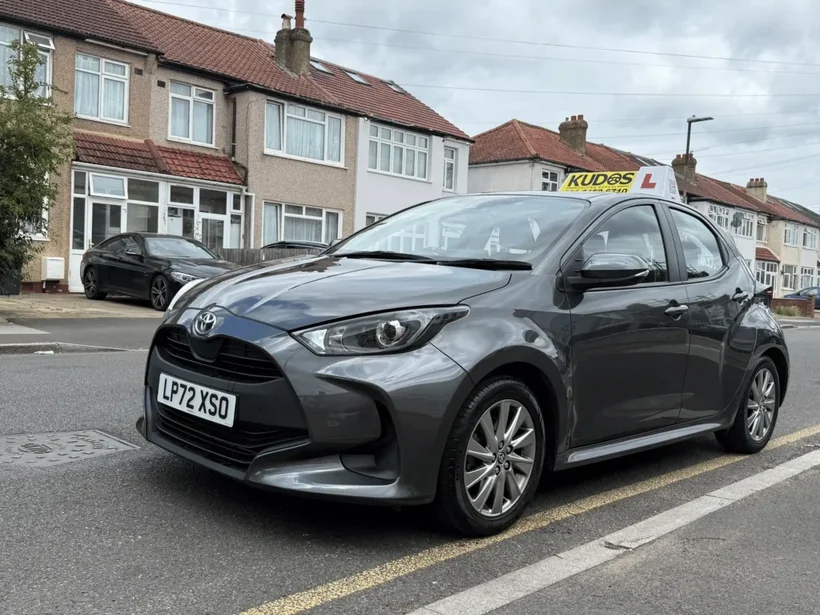
Readiness for the practical test is judged by consistent performance across a range of driving conditions, not by reaching a specific lesson count. Instructors typically look for a learner who can manage varied road types, junctions and manoeuvres reliably, rather than performing well occasionally and struggling at other times, since consistency is what the actual test environment demands.

How Instructors Assess Readiness for the Test
Independent driving is a key part of this assessment, since a meaningful portion of the practical test involves the learner following directions with minimal input from the examiner. Instructors will usually introduce this gradually, stepping back from detailed guidance during lessons to see how the learner handles decision-making, road positioning and hazard response without constant prompting.
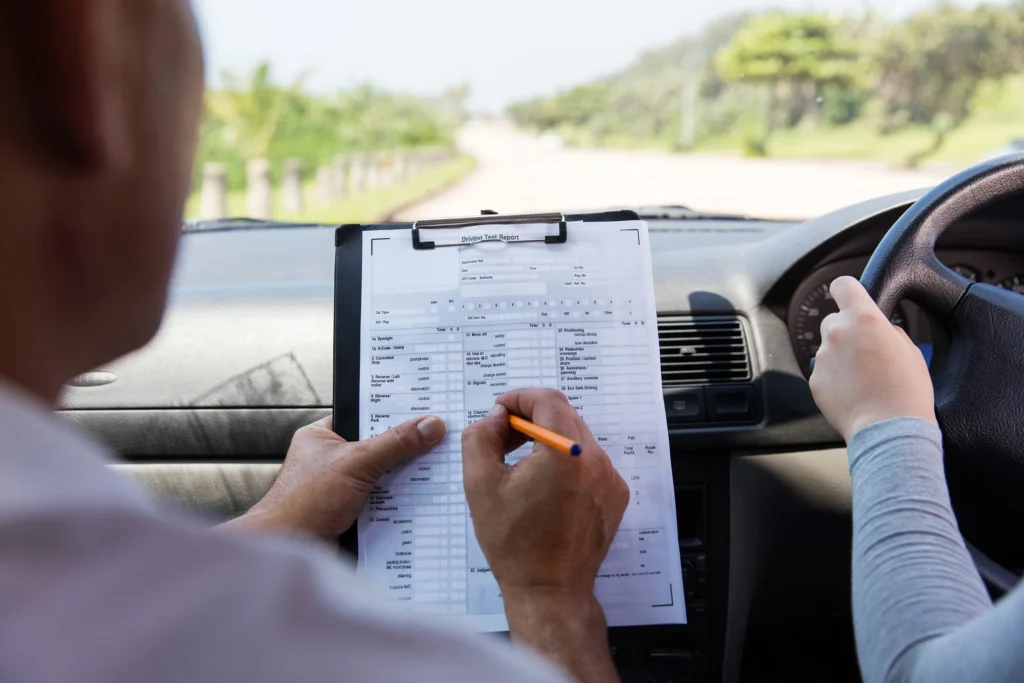
Mock test conditions are often used in the later stages of a course to assess readiness more formally. Replicating the format and pressure of the real test helps instructors identify whether a learner's skills hold up under slightly different conditions, such as being observed more formally, which can occasionally reveal small issues that don't appear during relaxed, standard lessons.
Common readiness indicators include smooth, confident handling of roundabouts and junctions, consistent mirror checks without prompting, and composed responses to unexpected situations such as pedestrians stepping out or other drivers behaving unpredictably. These patterns tend to matter more to instructors than raw lesson count when deciding whether someone is close to test standard.
If a learner isn't yet consistent in these areas, instructors will usually recommend additional lessons focused specifically on the weaker points, rather than simply adding more general practice. This targeted approach tends to be more efficient than continuing broad lessons without addressing particular gaps in confidence or skill.
A common misconception is that there's an ideal number of lessons that guarantees success, when in reality, readiness depends far more on consistent skill development than on reaching a specific total. Marketing figures quoting a set number of hours can be a useful rough guide for budgeting, but they shouldn't be treated as a fixed target, since actual progress varies significantly between individuals.
Realistic Expectations and Common Misconceptions
Another misconception is that more lessons always mean better preparation. In some cases, learners who take lessons too infrequently end up needing more total lessons simply to counteract skill fade between sessions, rather than because the material itself is more difficult. Frequency and consistency often matter as much as total lesson count when it comes to genuine progress.
It's also worth recognising that comparing lesson numbers between learners isn't particularly useful, since starting points, confidence levels and available practice time all differ. A learner who needed relatively few lessons isn't necessarily a stronger driver than one who needed considerably more, and drawing conclusions from someone else's experience can create unrealistic or discouraging expectations.
Intensive courses, which condense lessons into a shorter period, don't necessarily reduce the total number of hours needed, but they can suit learners with a specific deadline or those who retain skills better through frequent, closely spaced practice. This approach isn't right for everyone, and it's worth considering whether it matches a learner's confidence and learning style before committing to it.
Setting realistic expectations from the outset, ideally through an honest conversation with an instructor after an initial assessment lesson, tends to lead to a smoother learning experience than working towards an assumed number based on general figures. This allows progress to be judged on genuine development rather than an artificial deadline.
Consistent lesson scheduling is one of the most effective ways to make progress more efficient, since regular practice helps skills become embedded rather than needing to be relearned after long gaps. Weekly lessons tend to strike a reasonable balance for many learners, allowing enough time to reflect and practise mentally between sessions without skills fading significantly.

Making Progress More Efficient Without Cutting Corners
Practising outside of formal lessons, where possible, can also support faster progress, provided this is done safely and with a supervising driver who holds a full licence. This additional practice can help reinforce what's been covered in lessons, particularly for skills like observation habits and general vehicle familiarity, though it should complement rather than replace structured lessons with a qualified instructor.
Being open and honest with an instructor about specific concerns or areas of low confidence allows lessons to be targeted more effectively. Rather than progressing through a generic lesson plan, addressing particular weak points directly, such as a specific type of junction or a lack of confidence with roundabouts, tends to be a more efficient use of lesson time than broad, unfocused practice.
Mental preparation matters too. Reviewing the Highway Code, thinking through specific scenarios covered in previous lessons, and mentally rehearsing manoeuvres between sessions can help reinforce learning without needing additional time behind the wheel. This kind of preparation supports what's being physically practised in lessons rather than replacing it.
Ultimately, efficient progress comes from a combination of consistent practice, honest communication with an instructor, and realistic pacing rather than trying to rush through lessons to hit an assumed target number. Learners who focus on genuine skill development, rather than lesson count alone, tend to arrive at their test with steadier, more reliable driving.
Understanding what influences lesson numbers is directly useful when budgeting for lessons, since total cost depends heavily on how many lessons are needed rather than a fixed course price. Factors such as lesson duration, transmission choice, and whether a learner opts for standard weekly lessons or a more intensive course all affect the overall cost of learning to drive.
Cost Considerations When Planning Your Lessons
Standard weekly lessons typically spread cost over a longer period, which can make budgeting more manageable for learners paying lesson by lesson. Intensive courses, by contrast, often involve paying for a larger block of lessons upfront, which can suit learners with access to a lump sum or a specific deadline, but requires more careful financial planning in advance.
Additional training needs can also affect overall cost. Some learners may benefit from extra lessons focused on a particular weak area, such as motorway driving or complex roundabouts, before feeling ready for their test. Building some flexibility into a lesson budget, rather than assuming a fixed total, tends to lead to fewer surprises as the course progresses.
Comparing driving schools purely on advertised lesson prices can be misleading if it doesn't account for how many lessons are likely to be needed to reach test standard. A slightly higher hourly rate with more efficient, targeted teaching may work out more cost-effective overall than a lower rate that results in a longer course due to less tailored instruction.
For learners in and around Morden, discussing likely lesson numbers with an instructor after an introductory lesson can give a more realistic sense of overall cost than relying on generic averages. This allows budgeting to be based on individual progress and goals rather than assumptions that may not reflect how quickly a particular learner is likely to progress.
Passing your driving test in Morden comes down to three things: genuine readiness behind the wheel, familiarity with the local test routes and conditions, and a calm, methodical approach on the day itself. Most learners who fail do so not because they lack skill, but because nerves, gaps in preparation, or unfamiliar road situations catch them out. Understanding what examiners actually look for, and practising in the kind of driving environment you'll be tested in, makes a measurable difference to your chances of success.

.webp)