What Makes Fiber Cement Siding Right for Sacramento

What Makes Fiber Cement Siding Right for Sacramento

Sacramento's climate is hard on siding. Long summers push past 100 degrees for weeks, the sun beats down across more than 260 days a year, and the mild wet winters leave shaded walls damp. Materials that hold up in a mild coastal town can warp, fade, or rot in the valley. Fiber cement siding is built for exactly these conditions, which is a large part of why it has become the dominant choice for Sacramento homeowners replacing tired wood or worn-out cladding. This is a look at why the material fits the local climate so well.

Best Exteriors Construction, Inc. has served the Sacramento area for over two decades from its office at 5041 College Oak Dr Ste C, holds a 4.9 out of 5 rating across 230-plus reviews, and is CSLB licensed and insured under License #923505. Fiber cement makes up roughly 70 percent of the company's local siding installs, and the company is a James Hardie Preferred Contractor. The points below explain the material. Every home is different, so treat this as background rather than a substitute for a free in-home assessment.

Built for 100-Degree Heat

The first case for fiber cement siding in Sacramento is dimensional stability in heat. When the temperature climbs into the triple digits day after day, some claddings expand, contract, and can buckle or warp under the thermal stress. Fiber cement, made from cement, sand, and cellulose fiber, stays dimensionally stable through those daily heat swings. It does not soften or distort in the valley heat, so the walls of a home keep their clean lines summer after summer, even on the west and south elevations that take the harshest afternoon sun.

That stability matters over the long run. A material that moves with every heat cycle stresses its fasteners and finish, which shortens its life and its good looks. Fiber cement siding holds its shape and its place on the wall, which is one reason it lasts so much longer than lighter materials in a hot inland climate. For a Sacramento homeowner making a long-term investment in their exterior, that durability in heat is a foundational advantage.

Fiber cement carries a Class A fire rating

The material is non-combustible with the highest fire classification, putting its flame resistance on par with brick, which matters in fire-prone California.

James Hardie engineers HZ10 for hot climates

The HZ10 product line is specified for hot inland regions like Sacramento, so the boards and finishes are matched to the valley's intense sun and heat.

Baked-on color resists the valley sun

James Hardie's ColorPlus Technology bakes the finish onto the board in the factory, producing a color that resists ultraviolet fading far better than field-applied paint.


Social Media & Citations

Fire Resistance in a Fire-Prone State

The second case has grown more important every year: fire resistance. Fiber cement is non-combustible and carries a Class A fire rating, the highest classification, which puts its flame resistance on par with brick. In a state where wildfire risk shapes insurance markets and building decisions, an exterior that does not feed a fire is a meaningful advantage. Fiber cement siding gives a home a non-combustible skin that many other materials cannot match.

For Sacramento homeowners, this matters both for safety and for the practical reality of California's tightening fire-insurance market. Choosing an ignition-resistant exterior is one of the steps that hardens a home against ember exposure. While no single material makes a home fireproof, fiber cement siding contributes a non-combustible surface where wood siding would add fuel. That distinction is increasingly part of the decision for homeowners across the valley and the surrounding foothills.

Fade Resistance Under the Valley Sun

Sacramento's relentless sun fades exterior finishes, and this is where fiber cement's baked-on color earns its keep. James Hardie's ColorPlus Technology bakes the finish onto the board in a controlled factory process, producing a color that resists the ultraviolet fading that bleaches ordinary paint. The finish carries its own 15-year warranty against fading, so the home holds its color far longer than a field-painted surface would under the same sun, and the difference is easy to see on a street where painted homes have already dulled.

The payoff is fewer repaint cycles. Wood siding in Sacramento often needs repainting every handful of years as the sun breaks down the paint, an ongoing cost in time and money. Fiber cement siding with a factory finish measures its repaint intervals in decades rather than years. For a homeowner tired of scraping and repainting under the summer sun, that reduction in maintenance is one of the most appealing reasons to make the switch.

Rot, Moisture, and Termite Resistance

Sacramento's status as the City of Trees is part of its charm, but the shade it casts keeps north-facing walls damp long after a rain. That lingering moisture rots wood siding over time and invites termites, both of which are common problems in the region's older homes. Fiber cement is immune to both. It does not rot when wet, and it offers nothing for termites to eat, so the shaded and weather-exposed sides of a home stay sound.

This resistance is a major reason the material outlasts wood in the valley. Wood clapboard on a 1920s bungalow in Land Park or East Sacramento often reaches the end of its life precisely because of moisture damage and pest activity on the shaded elevations. Replacing it with fiber cement board removes both vulnerabilities in one step, giving the home an exterior that shrugs off the conditions that defeated the original wood. For long-term durability, that immunity to rot and termites is decisive.

The Look of Wood Without the Upkeep

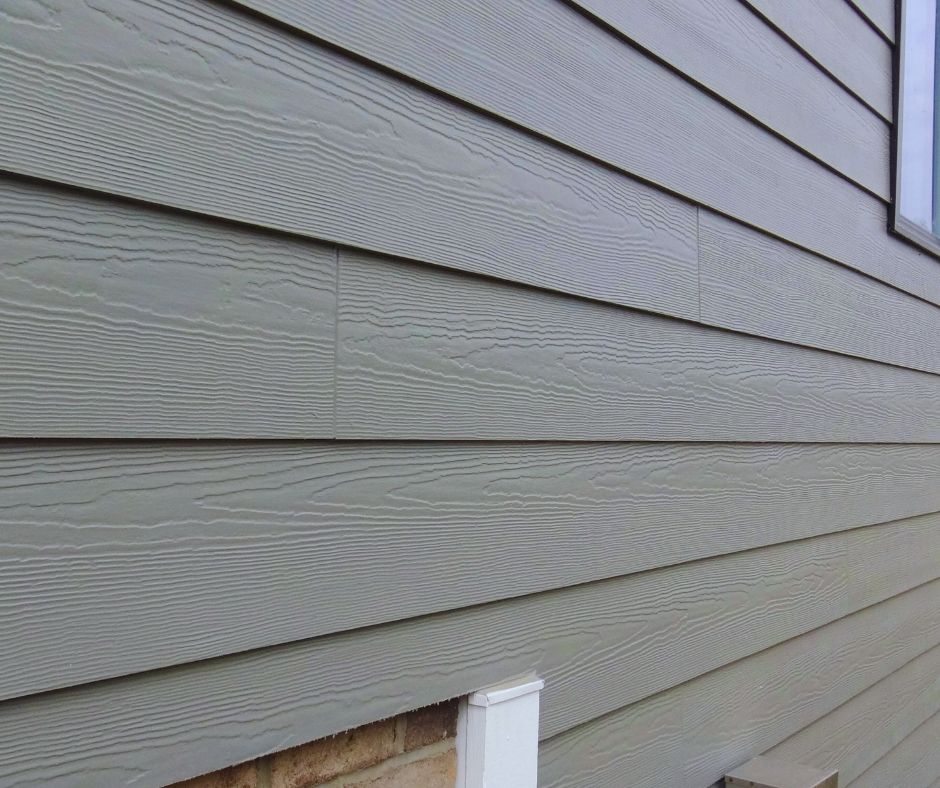
One reason homeowners hesitate to leave wood siding is the look. Fiber cement answers that by replicating wood's appearance convincingly. James Hardie offers HardiePlank lap siding, HardieShingle shingle-look panels, and HardiePanel vertical board-and-batten, along with HardieTrim boards for clean edges and details. Textures range from smooth to a Cedarmill wood grain, so a home can keep the character of wood siding while shedding the maintenance that comes with it.

That range means the material fits a wide variety of Sacramento architecture, from the traditional bungalows of Curtis Park to the ranches of Arden-Arcade to newer homes in Natomas and Elk Grove. A homeowner can match the profile and texture to the home's style and still gain the durability, fire resistance, and low maintenance of the material. Getting the look right while upgrading the performance is a core part of what makes the switch appealing.

A Long Service Life

Fiber cement siding is a long-term material. Installed correctly, it lasts on the order of 30 to 50 years, and James Hardie backs its boards with a 30-year limited product warranty. That longevity changes the math of a siding project. Rather than a material a homeowner expects to replace or heavily maintain within a decade or two, fiber cement is closer to a once-in-a-generation exterior for many homes.

Combined with the reduced repainting and the resistance to rot, fire, and pests, that long life is what makes fiber cement a sound value despite a higher upfront cost than some alternatives. Over the decades it stays on the wall, the material earns back the difference through durability and lower upkeep. For a Sacramento homeowner planning to stay in a home for years, fiber cement siding is an investment that keeps paying off across a long service life.

Engineered for Hot Climates

Not all fiber cement is specified the same way. James Hardie engineers its HZ10 product line specifically for hot climates like Sacramento's, accounting for the intense sun and heat that inland valleys face. Choosing the line built for the region rather than a generic product means the boards and finishes are matched to the conditions they will endure. It is a detail that a knowledgeable installer brings to the specification, and it matters for how the siding performs over the decades.

This regional engineering is part of why fiber cement has taken over so much of the Sacramento siding market. The material was already durable, and matching the right product line to the valley heat sharpens that advantage. A homeowner working with a James Hardie Preferred Contractor gets siding chosen for the local climate rather than a one-size-fits-all order, which is one of the quiet ways an experienced local installer adds value to the project.

How It Compares to the Alternatives

Understanding fiber cement means seeing it against the other options. Wood siding offers a natural look but demands frequent repainting and remains vulnerable to rot, termites, and fire. Vinyl siding is lighter on the budget and low-maintenance, but it can fade or soften under extreme heat and is combustible, so it does not offer the fire resistance that matters in California. Each material has its place, and an honest installer explains the trade-offs.

Fiber cement sits at the durable, fire-resistant end of that spectrum, which is why it accounts for roughly 70 percent of the company's local installs while vinyl and wood serve narrower needs. For a homeowner weighing cost against longevity and fire performance, fiber cement usually comes out ahead over the life of the home. Seeing where each material fits helps a homeowner make the choice with clear eyes rather than on price alone.

Suited to Sacramento Neighborhoods

The case for fiber cement plays out differently across the region's neighborhoods. The older bungalows of Land Park, Curtis Park, and East Sacramento often carry original wood siding reaching the end of its life, making them natural candidates for a fiber cement replacement that keeps the traditional look. Mid-century ranches in Arden-Arcade and Carmichael and newer homes in Natomas and Elk Grove each present their own siding situations that the material handles well.

Wherever a home sits, from near William Land Park to along the American River Parkway to the communities of Folsom and Roseville, the valley climate is the common thread, and fiber cement is built for it. A local installer who has worked across these neighborhoods brings that context to the recommendation, matching the profile, texture, and color to the home and its setting. That neighborhood knowledge is part of what a homeowner gains from a contractor rooted in the Sacramento area.

Installation Is the Hidden Variable

The durability of fiber cement depends on how it is installed. The material performs for decades only when it goes on to the manufacturer's specifications, with correct ground and roof clearances, proper flashing at joints and openings, the right fastening schedule, and sealed field cuts. Cut edges left unsealed or clearances ignored can let moisture in and lead to problems that no material can overcome on its own. Good installation is what brings out the material's long life and full durability.

Correct installation also protects the manufacturer warranty. James Hardie's product warranty assumes the boards are installed to specification, so shortcuts can jeopardize the coverage a homeowner is counting on. This is why the installer's credentials matter, and why a James Hardie Preferred Contractor is a meaningful distinction. A crew trained in the manufacturer's methods installs the siding so it performs and so the warranty stands behind it.

Behind the visible boards, a proper installation integrates a weather-resistive barrier and correct joint treatment, so the wall assembly sheds water as designed. These are the details a homeowner never sees but feels in the decades of trouble-free performance that follow. For a Sacramento home, matching a durable material to a credentialed, careful installation is what turns fiber cement from a good product into a lasting exterior that holds up to everything the valley climate delivers.

Working With Best Exteriors

Fiber cement rewards correct installation, so the contractor matters as much as the material. Best Exteriors is CSLB licensed and insured under License #923505, carries a BBB A+ rating, is Diamond Certified, and is a James Hardie Preferred Contractor. The company handles plans and permits, backs its work with a lifetime warranty on installation alongside the James Hardie 30-year product warranty, and offers 0 percent financing with zero down payment. Every project begins with a free in-home or virtual consultation and upfront pricing.

A Sacramento homeowner considering new siding can arrange fiber cement siding installation in Sacramento by calling (916) 252-2693 for a free consultation and clear pricing. Best Exteriors serves Sacramento and nearby communities including Carmichael, Citrus Heights, Folsom, Rancho Cordova, and Elk Grove. Because every home and every wall is different, an on-site look is the right way to confirm the material, the style, and the scope that fit the home.
Redirect to:


Frequently Asked Questions

It handles the valley climate well. Fiber cement stays dimensionally stable in 100-degree heat, resists rot and termites on shaded damp walls, and carries a Class A fire rating that matters in fire-prone California. James Hardie's baked-on color also resists the fading that the strong sun causes, so it needs far less repainting than wood.
Installed correctly, fiber cement lasts on the order of 30 to 50 years, and James Hardie backs its boards with a 30-year limited product warranty, with a separate finish warranty on ColorPlus color. Its longevity and low maintenance are a large part of its value despite a higher upfront cost than some materials.
Each has a place, but fiber cement leads on durability and fire resistance. Wood looks natural but needs frequent repainting and can rot or burn; vinyl is budget-friendly and low-maintenance but can fade in heat and is combustible. Fiber cement resists heat, fire, rot, and termites, which is why it is about 70 percent of local installs.