Why Iron Gates Sag and How Welding Fixes Them

Why Iron Gates Sag and How Welding Fixes Them

An iron gate that has started to sag is telling a story. The gate that once swung level now drags on the ground, catches on the latch, or forces its opener to strain against the misalignment. Sagging is one of the most common problems on iron gates, especially older ones, and it is rarely just cosmetic. It usually points to a structural issue at the hinges, the posts, or the welds, and fixing it properly almost always means welding. Understanding why iron gates sag helps a Canoga Park homeowner see why a quick adjustment often is not enough.

The weight problem

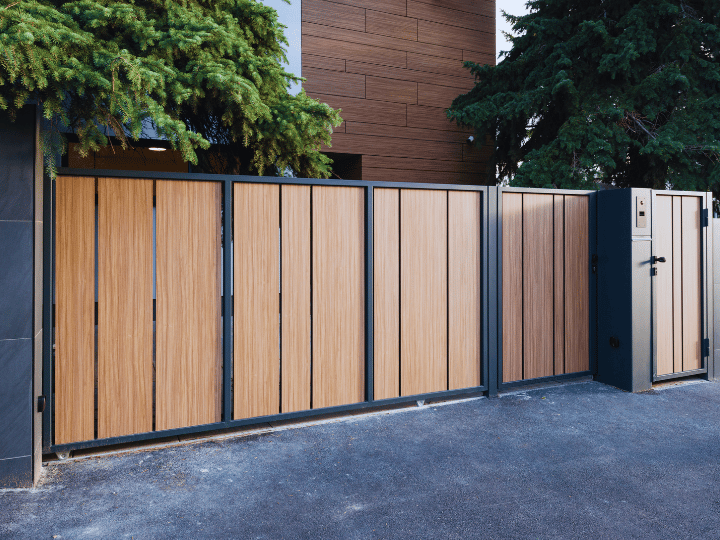
Iron gates are heavy. A single driveway gate leaf can weigh a couple hundred pounds, and all of that weight hangs on a small number of hinge points and the posts that carry them. Over years of daily swinging, that load works on every connection. Hinges wear, welds fatigue, and the posts that anchor everything take constant leverage. The heavier the gate and the more it cycles, the faster those stresses accumulate. Sagging is what happens when one of those load-bearing connections finally begins to give, and the gate settles out of level.

Iron Gate Leaves Are Heavy

A single iron driveway gate leaf can weigh a couple hundred pounds, and all of that load hangs on a few hinge points, which is why worn hinges and fatigued welds are common causes of sagging on iron gates.

Ground Movement Tilts Gate Posts

Seasonal soil movement and settling can tilt a hinge post a fraction of an inch, which is enough to drop a heavy gate out of level, so re-anchoring or reinforcing the post is often part of a lasting sag repair.

On-Site Welding Rebuilds the Joint

Because sagging is a structural failure at a hinge, weld, or post, the durable repair uses MIG or TIG welding to rebuild the connection to sound metal, restoring the load path rather than masking the symptom.


Social Media

Why the ground matters

The gate is only as stable as what holds it up, and in Southern California the ground moves. Seasonal soil movement, foundation shift, and settling can tilt a hinge post a fraction of an inch, and that small shift is enough to drop a heavy gate out of alignment. Water pooling at a hinge post accelerates the problem, corroding the anchor and softening the soil around it. This is why a gate can start sagging even when the gate itself looks fine: the problem is at the post and its foundation, and re-anchoring or reinforcing that post is part of the fix.

Where welding comes in

Because sagging is structural, the durable repair is usually welding, not adjustment. Cracked or fatigued welds at the hinge or frame joints get rebuilt with MIG or TIG welding. Worn hinges are replaced and rewelded to sound metal. A shifted hinge post may need re-anchoring or reinforcement with added bar stock to carry the load again. Done on-site, this structural welding restores the connections that hold the gate level. A bolt-on bracket or a tightened hinge might mask the sag for a while, but only rebuilding the failed structure fixes it for good.

Catching it before it spreads

A sagging gate does not stay a contained problem. As the gate drops, it drags, which wears the bottom of the gate and strains the opener that now has to force it through the misalignment. That added strain can push a struggling motor toward failure, turning a structural repair into a structural-plus-operator repair. Acting on a sag early, at the first drag or creak at the hinges, keeps the fix focused on the welds and posts before the damage spreads to the more expensive automation.

Fixed by licensed welders

Structural gate repair calls for someone who welds for a living, not a handyman with a bracket. Homeowners can have the gate inspected by Herotec, a licensed, family-run gate specialist with licensed welders who perform on-site MIG and TIG welding, rebuild hinge and frame joints, and re-anchor shifted posts. Quotes are flat-rate and given before the work, and most weld repairs are completed on-site in a single visit.

Level again, for good

An iron gate sags because a load-bearing connection, a hinge, a weld, or a post, has begun to fail under the gate's weight, often helped along by shifting ground. The lasting fix rebuilds that structure through welding rather than masking it. Caught early and welded properly, a sagging gate swings level again and keeps its opener out of harm's way.

For a sagging or dragging iron gate in Canoga Park, call Herotec at (747) 298-9209 for a flat-rate welding repair.


Frequently Asked Questions

Sagging usually means a load-bearing connection is failing under the gate's weight, a worn hinge, a cracked weld, or a hinge post shifted by soil movement. A heavy gate leaf hangs on a few hinge points, so as those connections give, the gate settles out of level. The fix is structural, not just an adjustment.
An adjustment or bracket may mask a sag briefly, but because the cause is structural, it usually returns. The durable repair rebuilds the failed connection with welding, replaces worn hinges, and re-anchors a shifted post. Herotec's licensed welders perform this on-site so the gate stays level.
It can. As the gate drops and drags, the opener has to force it through the misalignment, which strains the motor and can push a struggling operator toward failure. Fixing the sag early keeps the repair focused on the structure before it becomes a more expensive operator problem too.