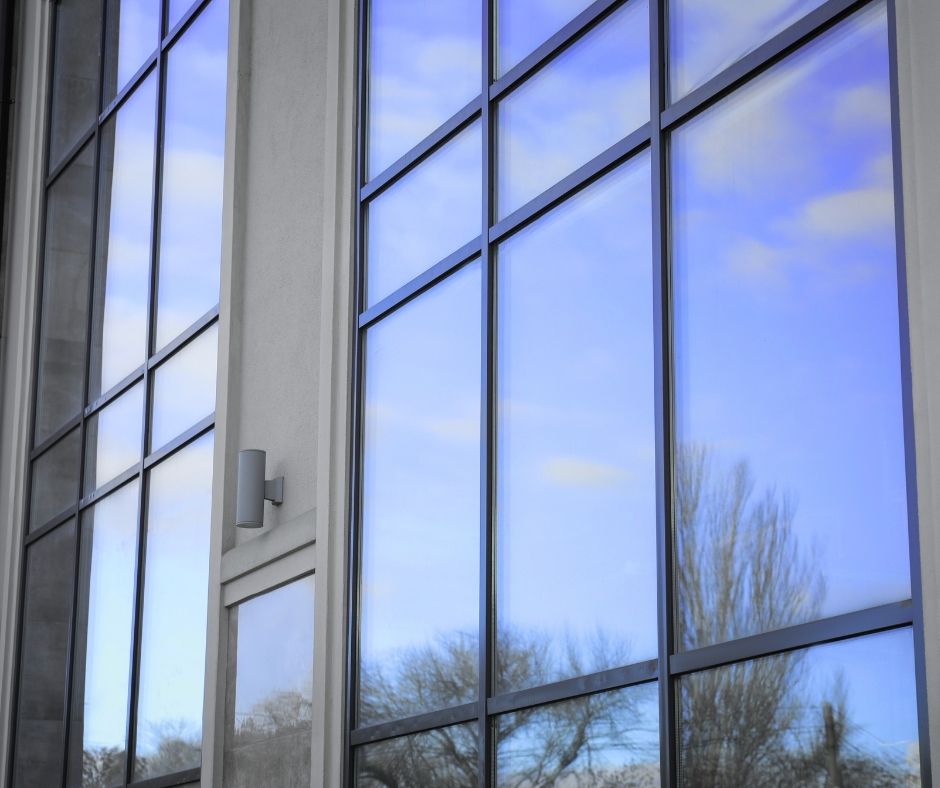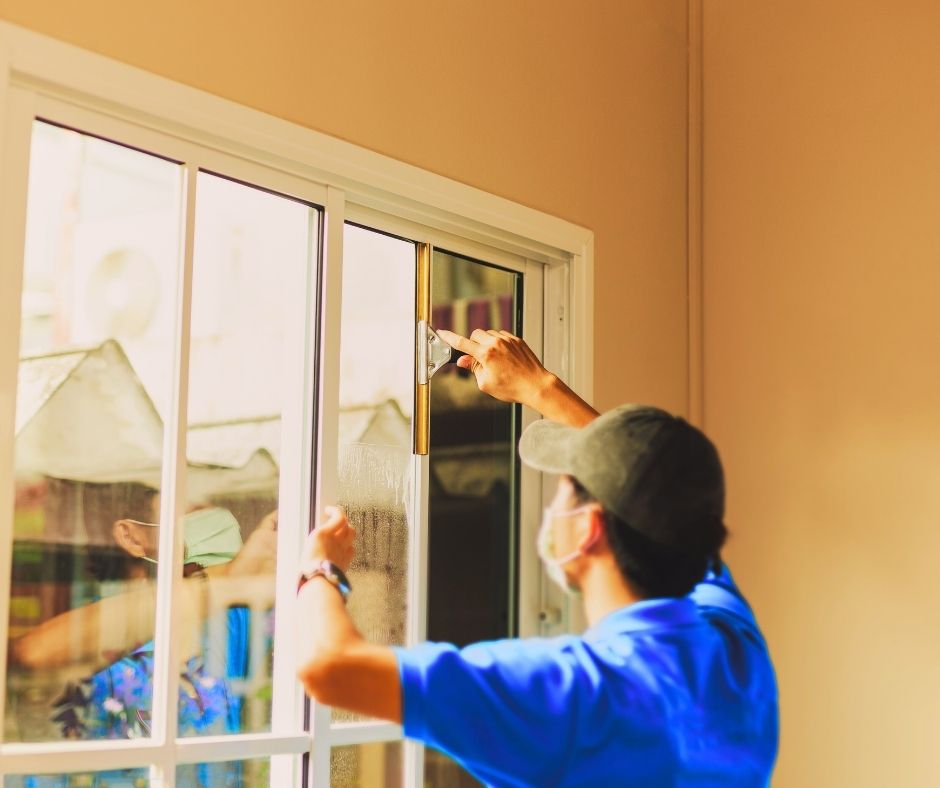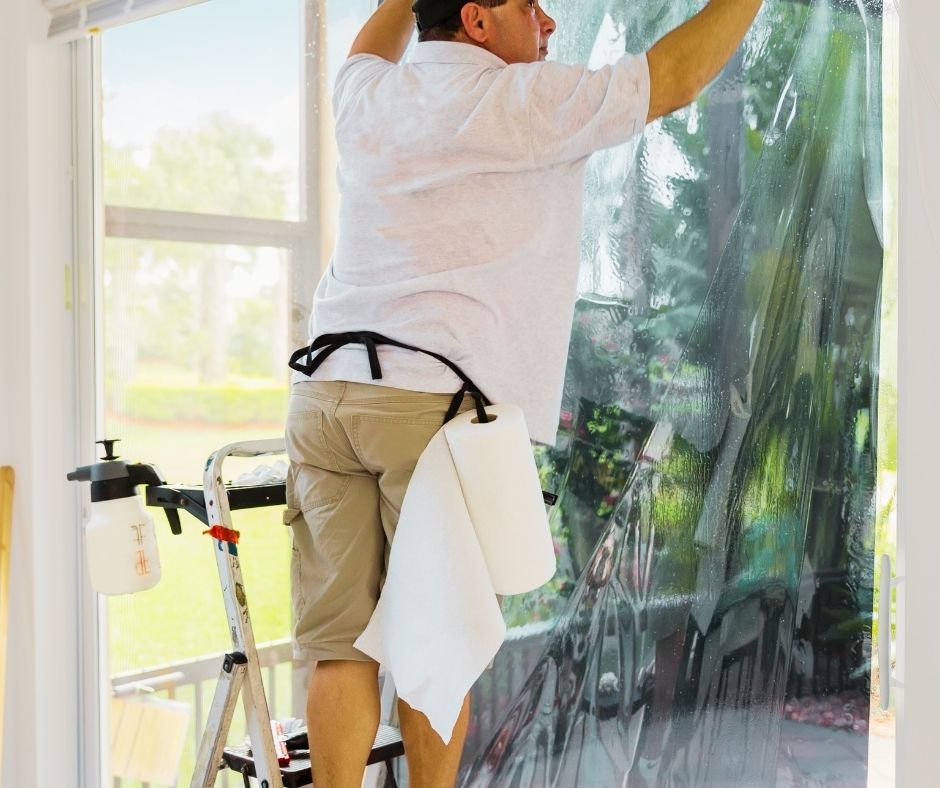
A west-facing living room in Louisville tells the story every summer. By late afternoon the sun drops low over the Highlands or the East End, pours straight through the glass, and turns one side of the house into a hot, glaring room nobody wants to sit in. The furniture in that room fades first, the cooling bill climbs, and the blinds stay shut against a view the homeowner paid for. The right residential window film changes that without changing the house. Sun Tint installs residential window tinting in Louisville for homes across the Highlands, the East End, and the South-Central neighborhoods, and the fix usually starts with which windows face the sun.
Window film works on the glass a home already has. Instead of replacing windows, it upgrades them, cutting the heat and ultraviolet light that come through while keeping the daylight and, in most cases, the view. For a Louisville home, that distinction matters, because the goal is comfort and protection, not a dark house.
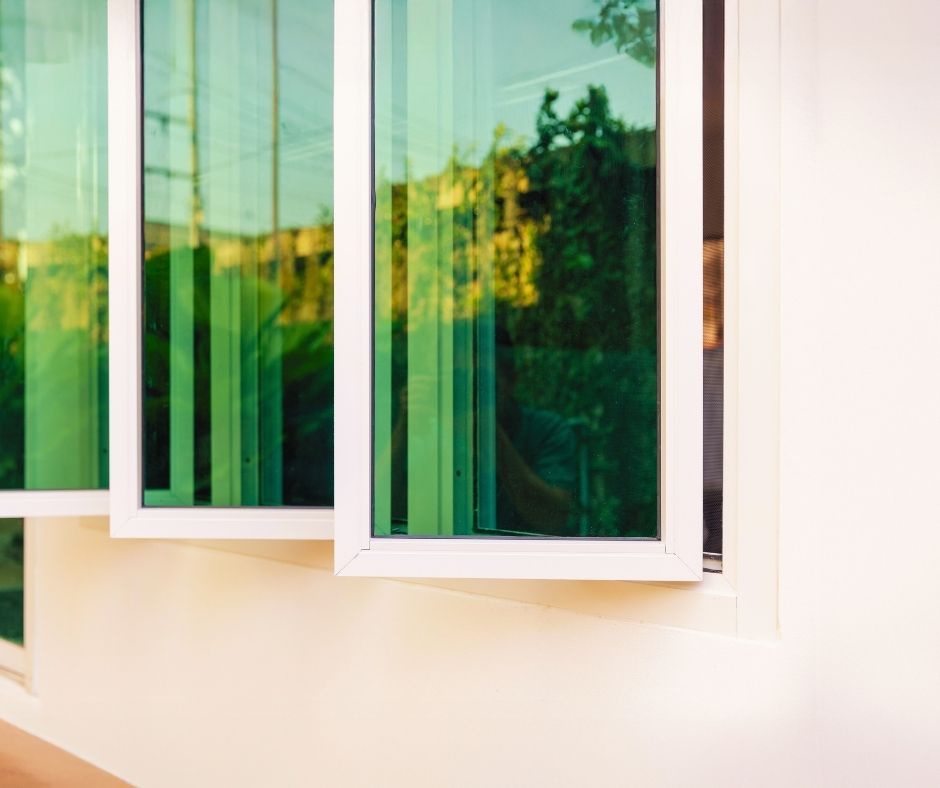
The single most useful thing a homeowner can know is which way each problem window faces. West-facing and south-facing windows take the hardest solar load, especially through the long, bright shoulder seasons when the sun sits low. Those are the rooms with the hot spots and the fastest fading. East-facing glass heats up in the morning. Street-facing and ground-floor windows carry a privacy concern on top of the heat. A careful install checks the orientation of each opening rather than applying one film to the whole house, because a bedroom on the shaded side of a Butchertown home needs something different from a Belknap sunroom that bakes all afternoon.
The ultraviolet portion of sunlight is the leading cause of fading in floors, fabrics, and artwork, and quality solar window films are engineered to block close to 99 percent of UV transmission, which is why UV-filtering glazing is common in museums and archives.
Much of the sun's heat arrives as near-infrared energy rather than visible light, so spectrally selective and ceramic films can reject a large share of that infrared while staying relatively clear, letting a nearly transparent film still cut solar heat gain.
Ceramic window films use non-metallic nano-ceramic particles to reject heat, so unlike older metalized films they do not interfere with cellular, GPS, or Wi-Fi signals and resist the purple discoloration that dyed films can develop over years.
Heat is the complaint people notice first, but fading is the damage that lasts. Ultraviolet light is the leading driver of fading in hardwood floors, area rugs, artwork, curtains, and upholstery, and quality solar films block close to 99 percent of it. That is the same reasoning behind the Skin Cancer Foundation's guidance on UV-filtering window film for the skin exposure people get sitting near sunny glass at home. Once a hardwood floor bleaches three feet in from a sliding glass door, no film brings the color back, so the value of tinting a sun-facing room is as much about protecting what is already inside as about comfort.

Residential film is not one product. Solar control and heat-control films cut heat and glare while staying nearly clear, which suits homeowners who want the effect without a visible tint. Ceramic and ceramic-infused films reject heat using non-metallic particles, so they never interfere with signals and hold their color over time. Carbon-infused and dual-reflective films offer different balances of daytime privacy and view. Privacy films handle street-side bedrooms and bathrooms, and decorative, frosted, and textured films add privacy to glass doors, sidelights, and interior partitions while letting light through. Sun Tint is a multiline dealer carrying films from makers such as 3M, LLumar, and Madico, and the point of that range is matching the film to the window, not selling one look for every home.
The glass already in the wall shapes the recommendation. Single-pane and historic antique glass, common in Louisville's older Highlands and Original Highlands homes, behaves differently from modern double-pane and Low-E units. Some films pair better with certain glass systems, and the wrong match can create thermal stress. A professional install accounts for the glass, the frame, and the exposure together, which is one reason a careful measured install outlasts a rushed one. Sun Tint checks the glass system on each window before recommending a film.

Good residential film should disappear into the window. That takes custom-cut pieces sized to each pane, a professional wet application, and a heavy squeegee pass that pushes out the water and leaves a bubble-free finish. A small, even gap at the gasket edge is normal and intentional. In the days after, a little haze or a few water pockets can appear as the film cures, and they clear on their own. The difference between film that looks factory and film that looks like a sticker is entirely in the preparation and the hands doing the work.
Sun Tint has been a local, family-owned window film company serving Louisville and Southern Indiana since the mid-1980s, with over 40 years of experience and thousands of completed residential and commercial installations. The company is a multiline dealer, offers free quotes and free on-site consultations, shares transparent pricing before any work begins, and provides mobile service for homeowners who would rather not coordinate a shop visit. For homeowners weighing their options, an honest walkthrough covers which windows face the sun, which films fit the glass, and what each room actually needs, from a Germantown bungalow to a Prospect two-story.
The right film keeps a Louisville home cooler, protects the floors and furniture from fading, and does it without turning the house dark. To talk through residential window tinting in Louisville for the rooms that get too hot and too bright, call Sun Tint at (502) 254-0001 for a free in-home consultation.
Redirect to:
|
This page is a redirect. The following categories are used to track and monitor this redirect:
|
Redirect to: