The California FAIR Plan introduced wildfire hardening discounts on August 23, 2023, and continues to administer the program in 2026. Dwelling Fire policies can receive up to 13.8 percent total discount across 12 individual mitigation credits organized into four categories (5 immediate surroundings discounts, 5 structure discounts, 1 property-level completion discount, 1 community discount). Commercial policies can receive up to 16.4 percent. The discount applies to the wildfire portion of the premium rather than the entire premium, and all properties claiming discounts undergo inspection verification. The discount program is part of the Safer from Wildfires interagency partnership administered by the California Department of Insurance, CAL FIRE, the Governor's Office of Emergency Services, and the California Public Utilities Commission.
Under California Assembly Bill 2167 passed in 2022 and the Department of Insurance Safer from Wildfires regulatory framework, all California homeowner insurance carriers are now required to factor fire-hardening improvements into underwriting and pricing decisions. Carriers must offer premium discounts for the 12 mandated mitigation measures spanning structure hardening, defensible space, and community-level efforts. Some carriers offer additional optional discounts for measures like the Insurance Institute for Business and Home Safety (IBHS) Wildfire Prepared Home certification. The regulation reversed the previous market dynamic where homeowner hardening investments produced no rate impact and created the financial pathway that makes home hardening economically rational beyond just structural protection.
Wildfire and building science research consistently identifies embers (flying burning material) as the primary cause of home ignition during wildfire events, not direct flame contact. Most homes destroyed in the 2025 Palisades Fire burned because of ember intrusion through vents, eaves, and combustible cladding rather than direct flame propagation. This is the underwriting logic behind Chapter 7A noncombustible cladding requirements, ember-resistant vent screening (quarter-inch or finer mesh meeting ASTM E2886), and Zone 0 defensible space (the 0-to-5-foot ember-resistant buffer immediately adjacent to the structure). A home with combustible cladding can ignite from ember accumulation against the wall even when no direct flame ever reaches the property. Fiber cement cladding, ember-resistant vents, and clear Zone 0 defensible space together address the ember pathway that drives the majority of WUI-zone structure losses.
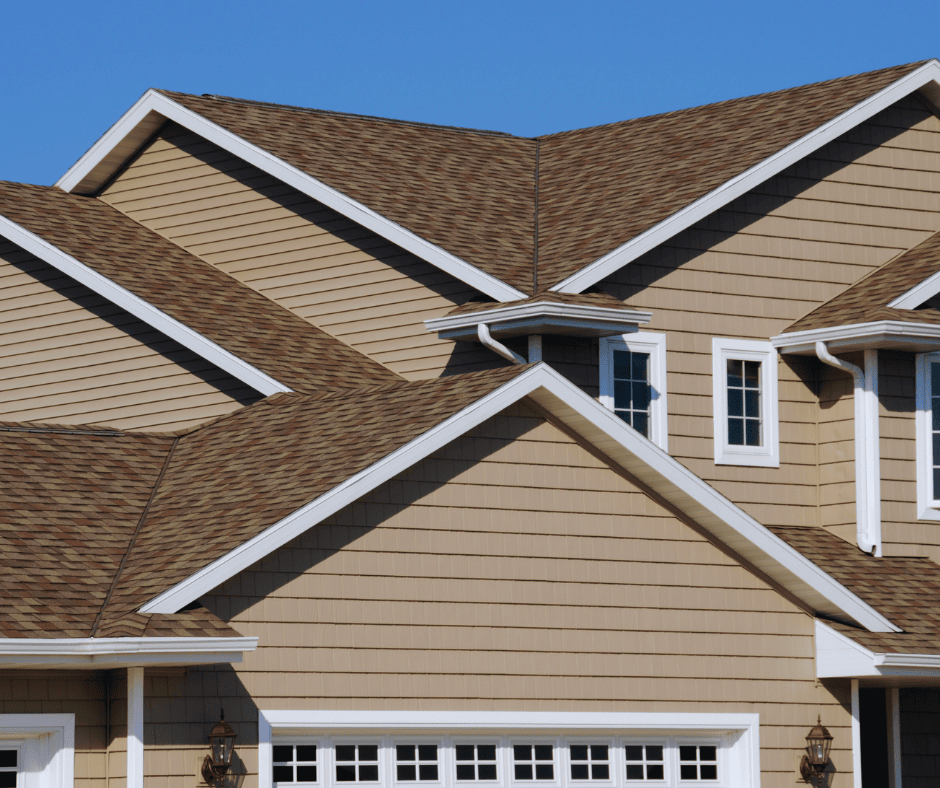
The East Bay Hills sit inside one of the most actively-mapped Wildland-Urban Interface zones in California. CalFire designates Oakland Hills (94605, 94611), Piedmont, Berkeley Hills (94708), Orinda (94563), Lafayette (94549), Moraga (94556), and adjacent ridge communities as Fire Hazard Severity Zones (FHSZ), with most properties falling into the Very High classification. The eucalyptus, Monterey pine, and chaparral fuel load combined with seasonal Diablo winds creates the ember-driven fire behavior that destroyed nearly 3,000 homes in the 1991 firestorm and threatens the same neighborhoods every fall.
Insurance underwriters now price East Bay Hills homes against this specific risk profile. The standard wildfire risk model used by carriers including Verisk and CoreLogic scores individual properties on cladding material, roof material, eave exposure, vent screening, defensible space, and proximity to vegetation. Homes scoring in the high-risk band see premiums two to three times higher than homes in the low-risk band on the same street, and homes scoring above the carrier's threshold get non-renewed at policy expiration. The single largest swing factor in the model is exterior cladding material, which is why siding contractors Bay Area underwriters reference work directly with homeowners to convert vulnerable cladding into compliant noncombustible assemblies.
The contrast with other Bay Area insurance markets is sharp. San Francisco's Outer Sunset and Outer Richmond face fog and salt corrosion exposure but virtually zero wildfire risk because the marine layer and urban density prevent fire propagation. Marin County coastal communities like Sausalito and Mill Valley face moderate WUI risk but smaller premium impact because the topography differs from the Diablo wind corridor. The East Bay Hills sit at the intersection of the highest fuel load, the strongest wind exposure, and the densest WUI housing stock in the entire Bay Area, which is why insurance pricing pressure on East Bay Hills homeowners runs ahead of every other Bay Area market.

Chapter 7A of the California Building Code applies to all new construction and substantial remodels in WUI zones, and it specifies the noncombustible exterior assembly that satisfies CalFire fire-hazard standards. The requirements cover exterior wall cladding, roof covering, eave and soffit construction, exterior windows and doors, exterior vents, and decking and accessory structures. The cladding requirement is where homeowner choices have the largest insurance impact.
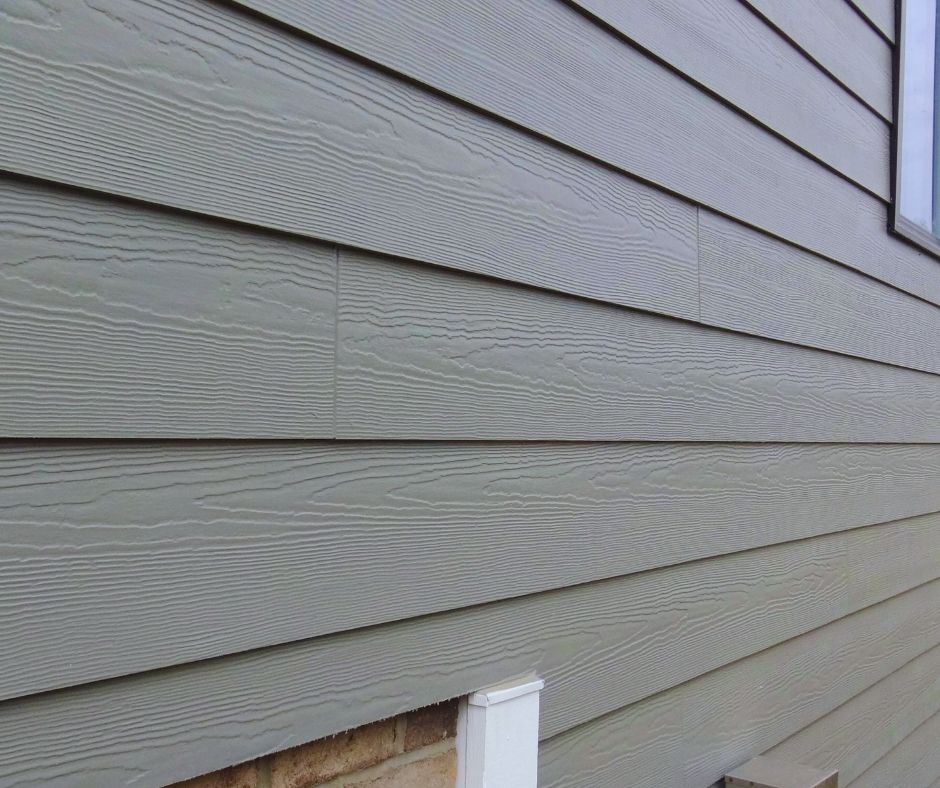
Chapter 7A acceptable cladding materials include fiber cement (James Hardie HardiePlank, HardieShingle, and HardiePanel all qualify), stucco over rated sheathing, masonry, and metal panel systems. Cedar shingle, redwood, vinyl, T1-11 plywood, and engineered wood products without specific fire-resistive treatment do not satisfy Chapter 7A. The distinction matters because the materials list maps directly to the underwriting risk score. James Hardie fiber cement carries Class 1A fire rating, ASTM E136 noncombustible classification, and ASTM E84 Class A flame spread index of zero, which means insurance carriers can price the home as a noncombustible structure rather than a wood-frame structure regardless of what the underlying framing is built from. The fire never reaches the framing if the cladding does not ignite, which is the underwriting logic that drives the premium reduction.
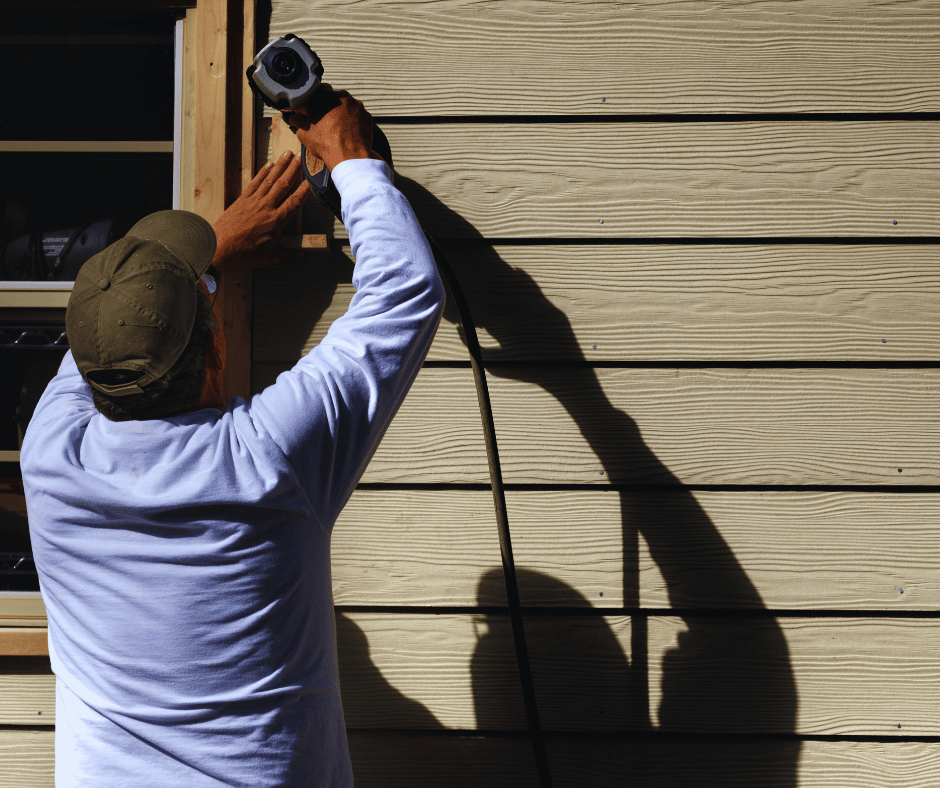
The siding contractors Bay Area insurance underwriters trust to deliver Chapter 7A-compliant work understand the documentation that insurance carriers require during the underwriting review. Project completion certificates, James Hardie Elite Preferred Contractor certification, photo documentation of fastener class and flashing sequence, and CSLB-licensed final inspection sign-off all feed into the carrier's risk assessment. A homeowner who installs Chapter 7A-compliant siding without proper documentation may not capture the full premium reduction the work earns, which is why working with a manufacturer-certified contractor matters as much as the material selection itself.
The 2026 East Bay Hills insurance market has produced a recognizable pricing pattern that makes the home hardening investment math straightforward. A typical 2,200 square foot Oakland Hills home cladded in original cedar or T1-11 plywood currently pays $4,500 to $7,500 annually for wildfire-inclusive homeowners coverage when the home can find standard market coverage at all. The same home cladded in Chapter 7A-compliant fiber cement typically pays $2,800 to $4,800, a savings of $1,500 to $2,700 per year. Over 10 years that savings reaches $15,000 to $27,000 in cumulative premium reduction.
The siding investment that produces those savings runs $25,000 to $45,000 for a typical 2,200 square foot East Bay Hills home, with cost variation driven by trim complexity, dry rot or OSB sheathing replacement scope, and access difficulty on hillside lots. The 5-to-15-year break-even point on insurance savings alone, before factoring in energy efficiency improvements, increased home resale value (fiber cement typically returns 80 to 95 percent of installed cost in resale), or the protection of the underlying asset itself, makes the math work even for homeowners not currently facing non-renewal pressure.
The math gets sharper for homeowners who have already received non-renewal notices and dropped to California FAIR Plan coverage. FAIR Plan basic-form policies cost two to four times standard market premiums and exclude liability, theft, and several other coverages that homeowners typically need. Returning to standard market coverage after Chapter 7A compliance documentation is filed often saves $3,000 to $8,000 annually compared to FAIR Plan plus dwelling fire wraparound, which compresses the break-even on the siding investment to under five years. Siding contractors Bay Area insurance brokers refer homeowners to do this calculation routinely on the initial consultation, because most homeowners have not connected the cladding decision to the insurance line item until the broker explains the underwriting pathway.

The full Chapter 7A hardening package covers more than siding, and insurance underwriters score each component separately when assessing the property. A homeowner pursuing maximum premium reduction should understand the five highest-impact hardening components.
The siding upgrade alone delivers the largest single premium reduction, but the layered hardening approach maximizes both the insurance savings and the actual fire survivability of the home. Best Exteriors handles the siding, soffit, and window components as a coordinated package, with roofing typically subcontracted to specialized roofing partners. The combined package transforms the underwriting profile of an East Bay Hills home from wood-frame high-risk to noncombustible-clad moderate-risk, which is the threshold most carriers use to maintain standard market coverage.
The Chapter 7A material list includes several acceptable options, but fiber cement has become the default East Bay Hills specification for reasons that go beyond fire compliance. James Hardie HardiePlank, HardieShingle, and HardiePanel all meet ASTM C1186 and C1325 standards, carry Class 1A fire rating with ASTM E84 Class A flame spread index of zero, deliver ASTM E136 noncombustible classification, and qualify under Chapter 7A without additional fire-resistive treatment. The 30-year product warranty plus 15-year ColorPlus fade warranty provides the warranty stack that insurance underwriters reference when assessing material durability, and the Double Lifetime Warranty available through James Hardie Elite Preferred Contractors extends coverage to the installation labor and finish.
The architectural compatibility matters in the East Bay Hills where craftsman bungalow, mid-century modern, and shingle-style homes dominate the housing stock. HardieShingle Straight Edge and Staggered Edge profiles preserve the original Berkeley brown shingle and Oakland Hills shingle aesthetic that defines the architectural character of Rockridge, Crocker Highlands, Berkeley Hills, and Montclair. HardiePlank Cedarmill texture matches the Grade-A cedar lap siding original to many craftsman bungalows in Trestle Glen, Glenview, and Elmwood. HardiePanel vertical applies to mid-century modern homes in Joaquin Miller, Piedmont Pines, and Crestmont where the original post-and-beam aesthetic calls for vertical board-and-batten or panel siding. The aesthetic preservation matters for homeowner association compliance in Piedmont and for resale value in every East Bay Hills neighborhood, which is why siding contractors Bay Area architects specify routinely deliver fiber cement work that matches original profile rather than substituting flat panel for character-defining shingle or lap profiles.
The microclimate calibration adds the East Bay corrosion exposure consideration. Hillside properties in Oakland Hills and Berkeley Hills sit far enough from the Bay waterline that hot-dip galvanized fasteners are typically adequate, but properties within one mile of the waterline (lower Oakland Hills near Lake Merritt, lower Berkeley along the marina corridor) move to stainless steel ring-shank fasteners to prevent the fastener-head rust staining that defective installations show within five years. The HardieZone 4 coastal system specification applies to properties with marine exposure, while the HardieZone 5 inland specification applies to ridge-top properties beyond the Bay influence corridor. Best Exteriors calibrates the specification to the specific property exposure rather than applying a single standard across the entire East Bay Hills service area.


The siding upgrade alone does not automatically reduce the insurance premium. The carrier needs documentation that the upgrade meets Chapter 7A requirements, that the installation was performed by a manufacturer-certified contractor, that the material specifications match the carrier's underwriting standards, and that the local building department signed off on the final inspection. A homeowner who completes the work without proper documentation often has to wait until policy renewal and provide retroactive evidence to capture the premium reduction, which can delay the savings by six to twelve months.
Best Exteriors handles the documentation pathway from project start. The package includes James Hardie product certification documentation tied to specific lot numbers, James Hardie Elite Preferred Contractor verification confirming the installation team is factory-trained on HardieZone specification, photo documentation of fastener class, flashing sequence, and weather barrier installation, Oakland Building Bureau or applicable East Bay municipal permit documentation, CSLB License #923505 verification for the certified installer, final inspection sign-off from the local building department, and a Chapter 7A compliance summary calibrated to insurance carrier underwriting requirements. The complete package goes to the homeowner's insurance broker on project completion, allowing the broker to file for underwriting review and premium recalculation immediately rather than waiting for policy anniversary. Most homeowners see the premium reduction reflected within 60 to 90 days of project completion when the documentation is filed correctly.
The East Bay Hills insurance market does not affect every ridge community equally. The neighborhoods facing the strongest non-renewal pressure and the largest premium increases tend to share three characteristics. Direct WUI vegetation exposure, prevailing Diablo wind corridor positioning, and dense pre-1990 wood-clad housing stock that has not been hardened.
Oakland Hills neighborhoods including Montclair, Piedmont Pines, Crestmont, Joaquin Miller, Skyline, and Sequoyah face among the highest insurance pressure in the East Bay because of the combination of mid-century wood-clad housing stock, eucalyptus and Monterey pine fuel load, and the Diablo wind corridor that aligned the 1991 firestorm. Berkeley Hills neighborhoods including Claremont, Grizzly Peak, and the upper Berkeley Hills face similar pressure because of the contiguous fuel load running into Tilden Regional Park. Orinda neighborhoods including Sleepy Hollow and Glorietta sit downwind of the same Diablo corridor and have experienced the same non-renewal patterns. Lafayette neighborhoods including Happy Valley and Reliez Valley share the topographic exposure pattern. Moraga neighborhoods including Bollinger Canyon and Campolindo round out the highest-pressure cluster.
Best Exteriors operates from the Oakland 94612 headquarters at 1999 Harrison Street with cross-East-Bay dispatch radius covering all of the high-pressure neighborhoods listed above. The Lake Merritt corridor location provides rapid dispatch to Oakland Hills (94605, 94611), Piedmont, Berkeley Hills (94703-94710), Orinda (94563), Lafayette (94549), Moraga (94556), and the broader Contra Costa County WUI zone. Same-day or next-day on-site assessment availability allows homeowners facing imminent non-renewal deadlines to start the hardening conversation before the policy lapses.
The 2025 California Building Codes took full effect January 1, 2026, and the Chapter 7A requirements are now binding on all WUI-zone substantial remodels and exterior modifications. East Bay Hills siding projects route through municipal permit pathways that vary by city. Oakland projects go through the Oakland Building Bureau with permit timelines of 4 to 8 weeks for residential exterior work. Berkeley projects route through the Berkeley Permit Service Center with similar timelines. Piedmont projects go through the Piedmont Building Department with shorter timelines reflecting the smaller jurisdiction. Contra Costa County projects in Orinda, Lafayette, and Moraga route through the Contra Costa County Building Inspection Division.
The siding contractors Bay Area homeowners trust to handle these permit pathways manage the full permit application, plan review submission, inspection scheduling, and final sign-off documentation as part of the project scope. Homeowners attempting to navigate the 2026 code-compliance pathway independently often add weeks to the project timeline because of the inspection scheduling lead times and the documentation requirements specific to WUI compliance work. The full-service contractor pathway compresses the project timeline to the actual installation window plus the standard inspection sequence, with no homeowner time required for permit administration.

Best Exteriors operates from 1999 Harrison Street Suite 10219 in Oakland 94612, located in the Lake Merritt and Jack London Square corridor of downtown Oakland with cross-Bay-Area dispatch radius covering Oakland Hills, Berkeley Hills, Piedmont, Albany, El Cerrito, San Leandro, Walnut Creek, Concord, Pleasant Hill, Lafayette, Orinda, Moraga, San Ramon, Danville, and the broader East Bay WUI corridor plus the full San Francisco , Marin, Peninsula, and Sacramento markets. The Oakland HQ sits 8 miles east of downtown San Francisco via the Bay Bridge, 5 miles south of UC Berkeley, and within rapid dispatch radius of every major East Bay Hills neighborhood facing insurance pressure.
James Hardie Elite Preferred Contractor credential applies to all fiber cement work, unlocking the Double Lifetime Warranty coverage that uncertified installers cannot provide and supplying the manufacturer documentation that insurance underwriters require for premium recalculation. Certified Anlin Dealer credential applies to window upgrade work, with QuadraTherm dual pane systems and Infinit-e Low-E glazing satisfying both Title 24 energy compliance and Chapter 7A tempered-pane requirements. CSLB Licensed and Insured (License #923505). Diamond Certified Bay Area rating. BBB Accredited A+ rating. NARI member. EPA Lead-Safe Certified for pre-1978 housing. 15-plus years Bay Area service experience. Locally and family-owned operation. Free no-obligation in-home or virtual consultation. 100 percent financing available with $1,000 off current promotional pricing. Double Lifetime Warranty on all siding installations. Full PermitSF and DBI permit handling for SF projects, full Oakland Building Bureau and East Bay municipal permit handling for East Bay projects, Marin County and Peninsula permit handling for those markets, and Sacramento County permit handling for Sacramento Valley work. East Bay Hills homeowners researching siding contractors Bay Area insurance brokers reference, planning Chapter 7A-compliant hardening projects, facing imminent insurance non-renewal, or comparing fiber cement options for craftsman bungalow or mid-century modern homes can reach Best Exteriors at +1 510-616-3180 or visit https://bestexteriors.com/siding-contractor-bay-area-ca/ to schedule the free in-home assessment that starts the hardening pathway. The siding contractors Bay Area insurance underwriters trust deliver the Chapter 7A documentation, the manufacturer certification, and the installation discipline that converts an at-risk East Bay Hills home into a hardened structure with the insurance pricing to match.
Redirect to:
|
This page is a redirect. The following categories are used to track and monitor this redirect:
|
Siding may refer to:
Yes, in most cases. California insurance carriers including those participating in the FAIR Plan wildfire hardening discount program require property inspection to verify hardening compliance before applying premium discounts. The inspection confirms that the cladding material meets Chapter 7A requirements (fiber cement, stucco, masonry, or rated metal panel), that the installation matches the manufacturer specification, and that other hardening components (roofing, vents, windows, defensible space) align with the underwriting standards. The siding contractors Bay Area insurance underwriters trust supply the documentation package that supports the inspection process including James Hardie product certification, Elite Preferred Contractor verification, photo documentation of fastener class and flashing sequence, building department final inspection sign-off, and a Chapter 7A compliance summary. Documentation completeness directly affects whether the carrier applies the full discount or partial discount during underwriting review.
Premium reductions vary dramatically by carrier and the scope of hardening completed. Research on the top 15 California insurance carriers (covering 83 percent of the market) found that homeowners who adopt the maximum home hardening upgrades plus defensible space requirements receive premium discounts ranging from a few percent to over 50 percent depending on the insurer and loss-reduction standards adopted. The California FAIR Plan offers up to 13.8 percent total discount on Dwelling Fire policies for homes meeting all 12 hardening criteria. Most East Bay Hills homeowners completing comprehensive hardening (Chapter 7A fiber cement cladding, Class A roofing, ember-resistant vents, dual-pane windows, defensible space) see annual premium reductions of $1,500 to $2,700 on a typical 2,200 square foot Oakland Hills home, with larger savings for homeowners returning from FAIR Plan to standard market coverage. The siding contractors Bay Area insurance brokers refer homeowners to handle the documentation that captures the full discount eligibility.
Often yes, if the home is hardened to Chapter 7A standards and the documentation is complete. Under California Assembly Bill 2167 and the broader Safer from Wildfires regulatory framework, insurance carriers are now required to factor fire-hardening improvements into underwriting and pricing decisions. Several carriers have created fire-hardened home programs that offer voluntary market coverage in WUI zones they had otherwise exited, specifically for homes meeting comprehensive hardening standards including Chapter 7A cladding, Class A roofing, ember-resistant vents, defensible space compliance, and code-compliant exterior assemblies. Returning to standard market coverage from FAIR Plan typically saves $3,000 to $8,000 annually compared to FAIR Plan premiums plus the dwelling fire wraparound policies most homeowners need to cover liability, theft, and other excluded coverages. The siding contractors Bay Area insurance brokers refer homeowners to coordinate with brokers on the documentation pathway that supports market re-entry.