Fencing Contractor Tips for Backyards With Sloped Lots
A sloped backyard turns a "simple fencing" right into a task that demands planning, persistence, and a little humility. One neighborhood great deal can look like a mild downhill grade from the porch, then you go down right into the yard and understand the ground is climbing up or falling by inches per foot. That's when fencing lines begin to combat you. Blog posts want to lean, rails intend to twist, and gates quit turning like they made use of to.
If you hire fencing contractors, or you're talking with a fence company concerning scope, the concerns you ask early determine whether you get a straight, solid fence or a jumble of concessions. I have actually built and supervised adequate fencing mounts on irregular property lines to know the difficult truth: slope isn't the adversary. Poor site choices are.
Below are the practical pointers I utilize as a fencing contractor when the lawn runs downhill, up a hillside, or does both within the exact same run.
Start with the slope reality, not the pretty plan
Most fencing designs start with a straight line theoretically. On level land, that functions. On a sloped great deal, straight lines in plan watch do not translate into level boards in reality. The fence has two jobs that frequently contravene each various other:
Before you choose a style, walk the perimeter and really see the quality. Bring a measuring tape and keep in mind the altitude change where the fence will run. Even a basic "concerning just how much drop over the size" estimate alters the discussion quick, due to the fact that it identifies whether you can make use of step-style construction, angled panels, or a conical message setting approach.
If the yard drops dramatically, you also require to choose whether the fencing is meant to be simply aesthetic personal privacy, a wind break, a pet barrier, or a combination. The more the fence needs to operate as an obstacle, the less space you have for attractive unevenness.
A solid fencing contractor will normally ask about water drainage as well. Water does not respect the neatness of a fence line. On sloped great deals, runoff can gather at the bottom edge, laundry around article holes, and undermine the dirt that holds your posts.
Choose the right fencing method: action, slope, or custom
There are three common ways fencings take care of incline, and each one has trade-offs.
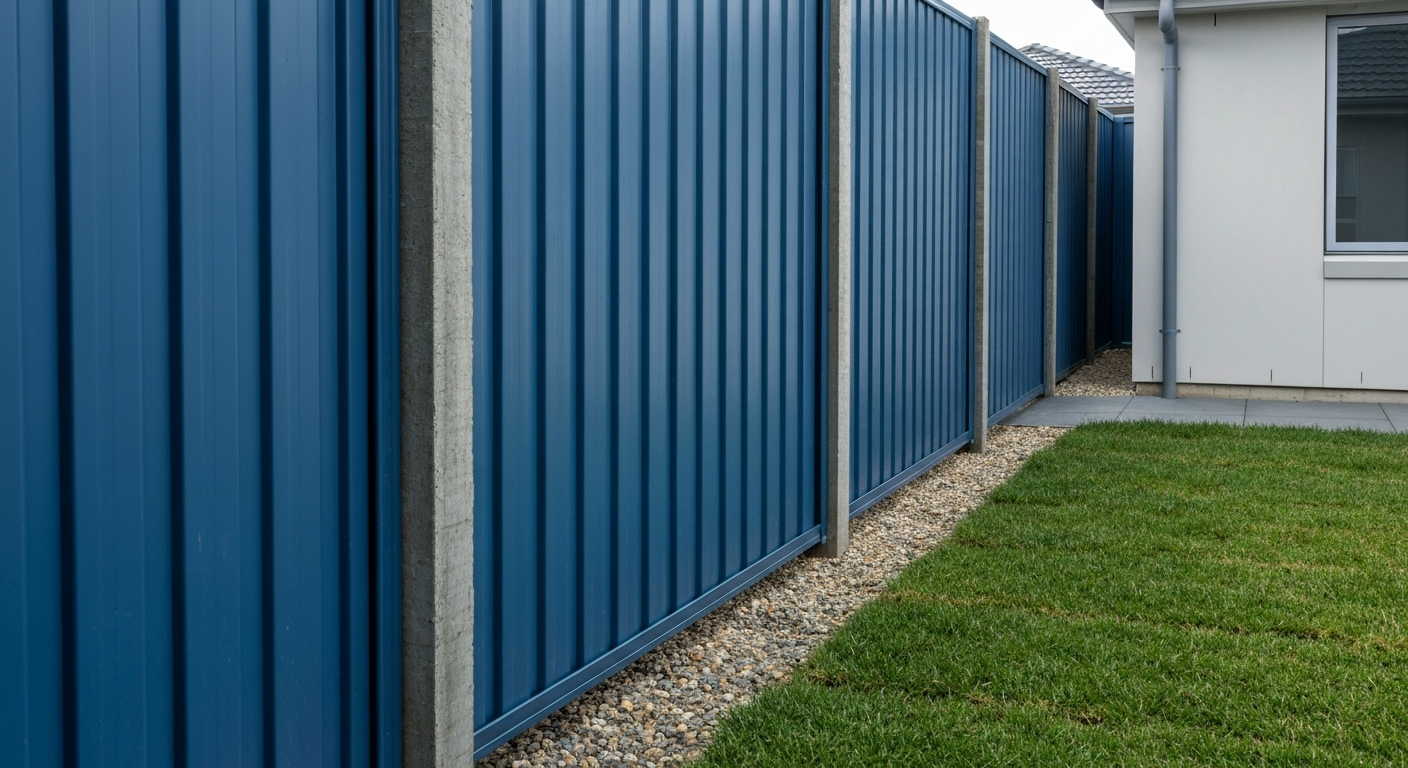
Stepped fences use a consistent top rail or fencing elevation in each "step," with the following area stepping up or to match the quality. Aesthetically, it's typically the cleanest appearance, especially with pickets and many types of panel secure fencing. Functionally, it maintains the boards mostly lined up with each other within an area, which helps with gateway operation.
Sloped fences try to keep the fencing line "continuous" by angling rails and picking up the profile with the ground. This can look natural on some landscapes, yet it comes to be challenging when you require strong consistency for locking, clean placements, or uniform spacing. Some property owners like it, however you pay a lot more in mindful manufacture and article settings.
Custom solutions show up when the slope is irregular, the backyard has keeping walls, or the lot's elevation adjustments twice over a brief range. This is where you could see conical articles, customized rail angles, or areas that step partially, then transition.
When you talk with a fence company, don't approve a single-word answer like "we'll simply do it." Ask exactly how they intend to keep the fence top lined up and the panels constant. The very best service providers will certainly describe the building and construction technique clearly, not just guarantee results.
Confirm the residential property line and your authorization requirements
On a sloped lot, it's easy for assumptions to turn into pricey rework. Study stakes can be tough to spot in unequal yards, and next-door neighbors in some cases determine from different factors since the grade conceals corners.
Before any kind of trenching or post digging, ensure the border is confirmed. If you currently have a study, bring it to the website conference. Otherwise, ask the fencing contractors you're considering what they do when home pens are missing out on or unclear. A specialist fence company treats limit confirmation as part of the job, not an optional favor.
Also check local permit regulations. Some areas allow fencings as much as a particular height, others require obstacles, and some have slope-related factors to consider for water drainage or grading. Allow constraints may not be about slope straight, yet incline influences how you place blog posts, whether you're interrupting even more ground, and what your final fencing profile looks like.
Plan for blog post deepness and stability in genuine soil conditions
A fence on a slope still requires blog posts that resist lateral movement. The greatest error I see in sloped backyards is superficial blog post setting due to the fact that all-time low of the quality "looks great" when you initially dig. Dirt can change quick with altitude and water drainage. The top of a hill can be drier and extra compact, while the lower section can be looser or wetter, sometimes with various compaction and organic content.
When posts are placed, ask your contractor about message deepness and how they deal with irregularity. A strong fencing contractor must discuss exactly how they'll account for different soil layers along the run. In practice, they may need much deeper holes at particular points or use concrete where dirt is unpredictable. The precise numbers vary by area and dirt, but the state of mind corresponds: the strategy needs to adjust to the ground, not compel the ground to accept the plan.
One field observation I trust: lower-yard articles often require even more attention. Drainage and saturation can soften the soil around those holes. If water is moving along the fencing line, take into consideration just how the fencing communicates keeping that motion. If you don't, you can end up with articles that gradually loosen and rails that begin to sag.
Use string lines and measurements that match the terrain
A great deal of fence problems begin prior to the very first message opening. If format marks are wrong, incline will magnify the mistake. On level ground, you could conceal a tiny mismatch. On a slope, a small angle becomes a big visual change over a lengthy run.
A better method is to set a design technique that follows the grade. Professionals commonly utilize string lines linked into regular recommendation points. The goal is to validate:
- the fence line is straight along the residential or commercial property boundary
- the post locations match the spacing requirement
- the leading profile matches your selected construction technique (actions or incline)
When you're examining a quote, ask exactly how they'll lay out blog posts on a sloped lawn. If they can not explain their procedure, you need to take that as a warning sign. A fence company that does this routinely will chat like they have actually done it previously, because they have.
Talk regarding rails, picket spacing, and how "level" will be handled
Homeowners frequently say, "I desire it level." On incline, "degree" and "comply with the ground" can suggest various points. Rails can be set up to be degree within their action areas, or they can be mounted at a regular angle. Pickets can keep uniform spacing yet still look various depending on how rails and assistance posts are set.
Here's the vital question to ask: "Will the fence leading be degree within sections, or will the fencing follow the incline continually?" Then ask just how that affects spaces at the bottom.
In numerous sloped yards, a tipped leading rail and constant spacing gives one of the most predictable appearance. It also assists with gateways. Gates rely on placement. If eviction framework sits at a slight spin because the articles were established without a profile approach, you'll battle it forever. A competent professional constructs the gate after the fencing line is developed and the article elevations are finalized.
Don't disregard water drainage and dirt movement
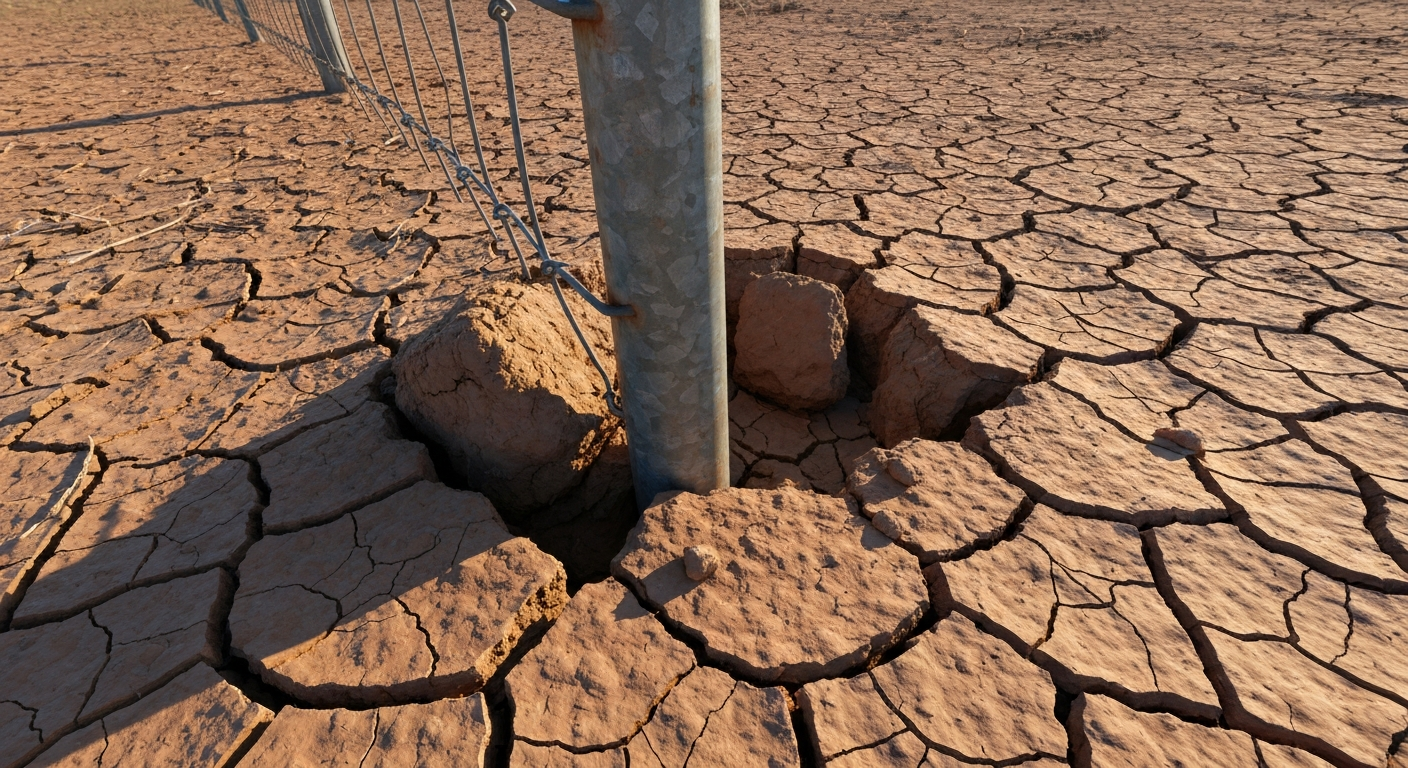
Sloped lots are not just "slanted." They experience movement. Freeze-thaw cycles can press and shift soil. Saturated ground can clear up. Even without frost, dirt can wear down around post holes if drainage moves towards the fencing line.
If the yard has visible disintegration, standing water after rainfall, or soft ground near all-time low of the incline, bring that up. An expert fencing contractor will not treat it as a surprise later on. They'll recommend a strategy that may include better post-hole prep, proper concrete placement, or in many cases adjustments to the fence placement to avoid the most awful runoff channel.
Also take notice of downspouts and irrigation. A downspout discharging toward the fencing can constantly damp the very same section. That's a straight path to loosening up articles. Sometimes the best "fencing fix" is not the fencing at all, it's relocating water.
Concrete, no concrete, or something in between
This is where conversations can obtain heated up. Some customers desire absolutely no concrete, preferring cheaper or "much more all-natural" setups. Others want maximum stamina, which usually implies concrete around messages. On a sloped lot, the dirt condition and water actions issue more than preference.
In unsteady or saturated soil, concrete can support posts and lower the threat of washout. But concrete can also catch water in particular conditions, and incorrect installment can create various other issues, like water merging around the base. The best answer depends upon exactly how the contractor prepares holes, uses crushed rock or water drainage where ideal, and guarantees the message is set correctly.
The sensible idea for house owners is to request for the reasoning behind the method. A fencing contractor who comprehends incline will describe why the chosen setting method makes sense for the dirt and drain pattern at that certain run of fence.
Gate positioning is a slope choice, not an afterthought
An entrance on a sloped backyard can behave like a queen. Even if the fencing panels look terrific, a gateway can droop, massage, or stop working to lock if the hinge side blog posts are not straightened to the last gate frame plane.
When slope is entailed, one of the most trustworthy path is to treat gateway installation as a regulated building and construction action. That suggests:
- confirming the gate opening size and where eviction will certainly "sit" about grade
- aligning joint posts so the gate framework can be square without forcing hardware
- checking lock height and swing clearance based upon actual last elevations
If your fence strategy consists of gateways, ask whether the specialist sets the articles initially, after that procedures and makes eviction, or if the gate is standard and installed early. Either can work, but the very best results typically originate from developing the gate after the fence line is effectively profiled.
Materials issue, particularly at the bottom of the fence
Wood, vinyl, light weight aluminum, and composite fence each respond to incline in different ways. On a sloped lot, the lower side often experiences one of the most stress and anxiety from water, debris, and unequal ground contact.
With wood, wetness and call with wet dirt can drive rot. Also if the fence is above ground, sprinkle and drainage can reach the lower boards and rails. A specialist should think of exactly how to preserve adequate clearance and exactly how the lower spacing will look into steps.
With vinyl, a continual run can look very clean on slope, but panel positioning and rail angles still matter. A tipped account may minimize anxiety and maintain sections consistent.
With aluminum, you commonly obtain a lot more stable long-lasting positioning, however you still require precise message setup and right rail connections. Light weight aluminum looks right when it's built right, and it shows every error faster than a few other materials.
If you're evaluating a quote, ask what modifications they'll make to material installment on incline. A fence company that routinely mounts on sloped yards will certainly know which details often tend to show up later as problems.
Get the quote line products that actually safeguard you
Sloped whole lots produce added labor, extra design time, and often extra products as a result of cutting and manufacture. The quote should mirror that fact instead of bury it in vague line items.
Look for clearness on:
- the fencing height and how it will be preserved across grade
- how numerous messages, and where they will certainly be established about the incline profile
- the installation approach for messages, rails, and pickets or panels
- whether entrance hardware and positioning are included and just how it will certainly be adjusted if grade varies
A bold, truthful service provider will inform you where the quote is strong and where it depends on website problems exposed after format. That's not an uncertainty. It's accountable estimating.
A brief checklist for home owners prior to the contractor digs
You can speed up the process and prevent misunderstandings if you show up prepared. Below's a tight set of questions I suggest when you're speaking with fencing contractors concerning a sloped lot.
If the fencing contractor can't address these plainly, that doesn't automatically indicate they're incorrect. It means you may be the one taking in the discovering contour, which can set you back more than a higher bid.
Expect more changes, yet keep them controlled
On a sloped yard, you will likely have some on-site changes. That's regular. What matters is that the modifications stay regulated and documented.
An excellent fence company will certainly walk you through the very first area. They'll demonstrate how the picked method checks out the slope extremes, not just in the center. After that they'll reproduce that technique along the entire line. When you see that pattern, you understand you're getting regular craftsmanship.
If rather you listen to "we'll figure it out as we go," ask what "figuring it out" implies for your final look and equipment performance. When incline is included, improvisation can develop into noticeable waves, inconsistent spacing, and a gate that never fairly matches.
Common sloped-lot errors, and just how to prevent them
Sloped yards invite foreseeable mistakes. You can find them early if you know what to look for.
Sometimes service providers reduced edges by utilizing a single rail angle all over without considering just how each message should line up. The result is a fencing that looks fine from one angle and turned when seen from an additional. Various other times, posts are set based on approximate measurements, and the slope builds up mistake over long runs.
Another usual failure factor is overlooking disintegration and water drainage patterns. If water streams under or along the fence line, posts can loosen up and fence sections start to sag. That's not a product trouble, it's a site monitoring problem.
Finally, some projects fall short because the homeowner expects "degree" without any trade-off. If you want a consistent top line on high grade, you need a tipped system or customized framing. Or else the fence must comply with incline, and the lower spacing will certainly vary.
An instance from an actual sort of yard
I once functioned a yard where the fencing line ran along the side home, dropping regarding a foot over about 20 feet. The home owner liked the concept of a tidy, contemporary leading line, however the yard had a damp reduced side after rainfall. We took into consideration a continual sloped top rail, yet we knew the latch and placement on the gate would be sensitive to tiny measurement errors.
We used a tipped top technique, with consistent panel spacing within each section. The vital decision was establishing the hinge-side gateway articles after the post elevations were validated, after that constructing the gate framework so it matched the final account. The fencing looked crisp from the road, and the gate closed smoothly. The lower spacing varied normally with quality, yet it wasn't arbitrary, and it really did not create uncomfortable huge voids at the corners.
That task enhanced a policy I still utilize: pick the technique that safeguards hardware performance. The fence panels become part of the story, yet gateways are where "nearly best" becomes "now I'm calling you again."
How to talk with your fencing contractors concerning trade-offs
Bold jobs call for truthful trade-offs. The "ideal" looking fencing could set you back even more since it demands much more cautious layout and more fabrication. The "most affordable" fence might mount quick however might struggle with lasting placement or entrance operation.

When discussing a sloped-lot fencing, usage language that compels quality. As opposed to asking, "What's the distinction?" ask:
- "Which choice will maintain the gate square over time?"
- "What will the final top account appear like at the steepest part?"
- "Where do you expect the biggest material cuts, and exactly how will that influence spacing?"
A specialist that recognizes their craft will certainly respond with concrete information, not vague reassurance.
Making the job really feel simple, even when it is n'thtmlplcehlder 210end.
A sloped backyard can be frightening because it resembles it must be more challenging than it is. The difficult component isn't the incline itself, it's making the best construction choices early, with precise layout and a sensible approach for how the fence will comply with grade.
If you're working with fencing contractors or contrasting a fencing company proposal, concentrate on the procedure: just how they determine, how they set articles in variable soil, and how they plan for gates and drain. Those are the components you can not fake with far better advertising or nicer samples.
When those choices are sound, also a challenging incline winds up generating a fencing line that looks deliberate. It withstands weather. It keeps its positioning. And most significantly, it does its task without constant modifications that wear you out faster than the climb down your yard steps.