
Driveway Car Wash Weekend Tips for Vancouver Car Owners With Ceramic Coating
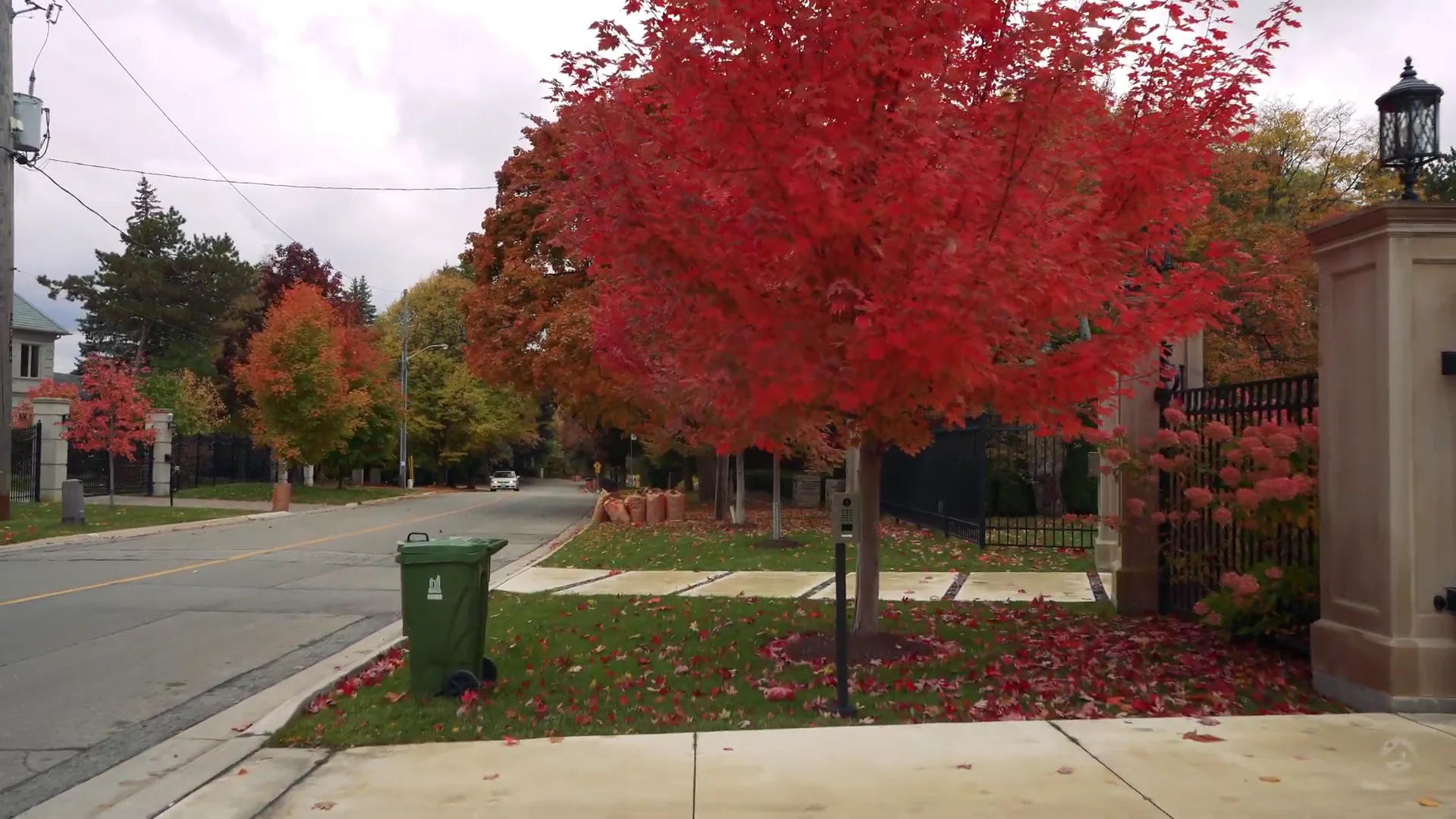
Saturday morning, the driveway is still damp from overnight rain, and you are looking at a white film on the lower doors of a car that was clean two days ago. That is normal here. If you live in Vancouver, Burnaby, Richmond, North Van, or anywhere else in the Lower Mainland, the weather works on your car almost every week. Rain from October to April. Road spray on Highway 1. Salt and brine on winter trips out of town. Pollen in spring. Tree sap in the suburbs. Then you have underground parkades, street parking in East Van, ferry runs, and the odd Sea-to-Sky drive that adds a layer of grime you did not ask for.
If your car has a ceramic coating, the weekend wash changes a bit. Not a lot, but enough that it is worth doing properly. The coating does not mean you can ignore the car. It means washing is easier, dirt releases better, and you are less likely to grind contamination into the paint. Done right, a driveway wash helps the coating keep doing its job. Done wrong, you can leave water spots, swirl marks, or soap residue behind, which defeats the whole point.
At GleamWorks, we spend a lot of time correcting paint and applying ceramic coating and paint protection film for local drivers who want their cars to survive real Vancouver use, not just a sunny test drive. A lot of the questions we hear are simple ones. How often should I wash? Can I use a foam cannon at home? Is tap water a problem? What about bird droppings after parking under a tree in Surrey or Coquitlam? Those are the right questions. If you are maintaining a coated car yourself, the answer is usually less about fancy products and more about process.
Start with the weather, not the bucket
Vancouver driveway washes live and die by conditions. If the car is hot, the soap dries too fast. If it is raining hard, you are fighting runoff and dirt splashback. If it is near freezing, you are not really washing, you are wrestling with half-frozen water and stiff towels. The best time is a cool, dry stretch when the panels are in the shade and the wind is low. That is especially true on coated cars, because ceramic coating makes drying easier, but it still leaves water spots if you let droplets sit on the paint in direct sun.
For most people, the rule is simple. Wash earlier in the day or later in the evening, not at noon on a bright day. If you have an east-facing driveway in Richmond or a tight street parking spot in New Westminster, use whatever shade you get and work panel by panel. The goal is to keep soap and rinse water wet long enough to lift dirt away. A coating helps here because grime usually releases faster, but it does not cancel out bad technique.
Before touching the paint, do a quick walk-around. Look for bird droppings, bug splatter, sap, and tar. Vancouver drivers deal with all of those, especially after a week of school runs, weekend errands, or a ferry trip. If you see fresh droppings, soak them first. Do not scrub dry contamination. That is how people mar the finish on a coated car and then wonder why the surface feels rough.
The driveway setup does not need to be complicated. You want two buckets if you are hand washing, a grit guard if you have one, a soft wash mitt, a drying towel that actually absorbs, and a pH-neutral shampoo made for coated cars. pH-neutral just means it is not overly acidic or alkaline, so it cleans without stripping the coating faster than necessary. Coatings are durable, but they still benefit from gentle maintenance.
Use the coating the way it was meant to be used
A ceramic coating changes the feel of washing because contamination tends to sit on top of the surface instead of biting into the clear coat as easily. That is the big win. On a coated car, rinse water usually sheets or beads more cleanly, and that helps you judge where dirt still remains. The mistake many owners make is assuming they can shorten the wash too much. They skip pre-rinse, use too much pressure, or wipe aggressively because the paint looks slick. Slick is not the same as clean.

Here is the weekend routine that usually works best for a coated daily driver in Metro Vancouver:
- Rinse the car thoroughly before soap touches the paint.
- Hit the lower panels, bumpers, and rear hatch first, since they collect the worst road film.
- Use one mitt for the upper panels and another for the dirty lower areas if you can.
- Rinse the mitt often. If it picks up grit, stop and clean it.
- Dry with a plush towel or a blower, especially around mirrors, badges, and door handles.
That routine is basic, but it works. A coating is there to reduce adhesion and make maintenance less painful, not to excuse sloppy washing. If you drive Highway 1 every day, or you do a lot of stop-and-go in Surrey and Burnaby, the rear bumper and lower doors will carry more grime than you think. Give those areas extra attention. If you drive a Tesla, the front end and rocker panels still take abuse even if the hood looks fine. Same story, different shape.
When people ask us about GleamWorks Ceramic Coating, the conversation usually turns to maintenance habits pretty quickly. A good installation matters, but a good wash routine keeps the coating looking healthy between professional services. That is true whether the car was coated for a new delivery, a paint correction job, or as part of a full protection package after a long winter.
If you want to understand what goes into a proper installation, including inspection, decontamination, polish, wipe-down, and curing, you can learn more about the process in detail here:. That matters because the better the prep, the easier the surface is to maintain at home later.
Why driveway washing still matters after a professional install
Some owners think once a car is coated, the studio work is the whole story. It is not. The coating helps, but it sits on top of paint that still gets hit by rain, salt, dust, and grit. Vancouver weather is not gentle. We get months of wet roads, and wet roads are what turn traffic film into a paste that clings to the sides of the car. Add winter highway treatments or a coastal trip to West Vancouver, and the grime can be stubborn.
A proper driveway wash helps in three ways. First, it removes contaminants before they have time to etch. Second, it keeps the coating surface slick so water and dirt keep moving off more easily. Third, it lets you spot problems early. You might notice a chip on the hood, tar on the lower door, or a patch of sap that needs attention. Catching those things early matters more than people think, especially if the car also has paint protection film on the front end or high-impact areas.
And yes, ceramic coating and PPF are different. PPF, or paint protection film, is a clear film that takes the brunt of physical wear, like stone chips and small abrasions. Ceramic coating is a liquid-applied layer that hardens on the surface and helps with chemical resistance, dirt release, and easier cleaning. They work well together, but they do different jobs. On a driveway wash, you treat both carefully. The film still needs gentle soap and a clean mitt. The coated paint still needs proper drying. Neither one likes harsh brushes or old towels loaded with grit.

One thing people underestimate here is the amount of fine dust we get in dry stretches, especially after a stretch of rain ends and the road residue dries out. That film can make a car look dull even if it is not truly dirty. If you keep the wash light and regular, the car stays easier to manage. Wait too long, and you end up scrubbing harder, which is where swirls and towel marks start to show up.
For owners who park outside in East Van, under trees in Coquitlam, or near the coast in North Vancouver, the driveway wash is also about removing organic contamination before it stains. Sap and pollen are not dramatic, but they are annoying. Leave them on a hot panel, and they bake in. A coated surface gives you a better chance of getting them off without a fight, but the longer they sit, the more work you are asking the coating to do.
Small mistakes that cause the most trouble
Most bad results from home washing come from the same few mistakes. The biggest one is using the wrong towel. A tired bath towel or old T-shirt is not a drying tool. It drags. It leaves lint. It can push grit around instead of lifting it. Use a proper microfiber drying towel. Microfiber means tiny split fibers that grab water and debris more safely than rough cotton cloths.
Another common problem is using too much pressure with the mitt. If the car is coated, people often assume they can scrub less carefully because the surface feels slick. The slickness helps, but it does not make trapped grit harmless. Let the soap do the work. Glide the mitt. Do not grind it into the paint. That is true on black cars, silver cars, and every in-between color we see at the studio.
Then there is the rinse step. People rush it. They leave soap in mirror caps, emblems, around window trim, and behind the rear hatch spoiler. Later, those spots streak down the paint and make the car look half washed. Spend the extra minute on edges and seams. That habit pays off every time, especially in Vancouver where rain can reveal every missed streak as soon as you pull out of the driveway.
Water quality is another thing to think about. Most owners in the Lower Mainland are using tap water, and that is fine for normal maintenance, but hard water can leave spots if you let it dry on the paint. If you see white spotting after a wash, work faster on the drying step next time. If your setup lets you use filtered or softened rinse water, that can help, but it is not required for a good result.
Finally, do not wash a filthy car with the same mitt you used last week without cleaning it properly. That sounds obvious, but we see the results. A clean coating and a dirty mitt are a bad mix. The coating is not the problem. The maintenance routine is.
What to do after the wash, and when to leave it to the studio
After drying, step back and look at the surface under daylight, not just under garage lighting. Daylight shows water trails, residue, and any contamination that survived the wash. Run your hand lightly over the paint inside a clean plastic bag if you want to check for roughness. If it feels gritty, the car may need decontamination, not just another wash. That is where a clay bar or professional detail comes in.
For lightly coated daily drivers, a weekend wash is often enough. For cars that see highway miles to Langley or Delta, coastal air, winter slush, or frequent parkade dust, you may need a rinse more often. Not every wash has to be a full soap-and-bucket event. Sometimes a careful rinse and blow dry is enough to keep a coated car from getting overwhelmed between proper washes.
If you notice the water behavior changing a lot, or the paint no longer feels as smooth after washing, it may be time for a closer look. Coatings wear gradually. They do not fail overnight. The surface may need maintenance, or in some cases, reapplication after years of use. The car might also need paint correction first if swirls, oxidation, or hard water marks have built up. A coating can only perform well on healthy paint.
That is one reason drivers bring their cars to a climate-controlled studio instead of trying to solve everything in the driveway. At GleamWorks, we work in a dust-free, climate-controlled space on Laurel Street, which gives us better control over prep and application. That matters for the original install. It also matters when we inspect a car later and decide whether it just needs maintenance or something more involved. We have protected more than 2,000 vehicles, and the ones that stay in better shape almost always have owners who wash them carefully at home.
For drivers in Vancouver, North Vancouver, West Vancouver, Surrey, and Richmond, the practical takeaway is simple. Keep the wash gentle, keep the towels clean, and do not let road grime sit too long. Ceramic coating gives you a better margin for error, but not enough to ignore the basics. If the car has PPF on the front end, treat that film as carefully as paint. If the car has just come back from winter highway driving or a week of wet commute traffic, give the lower panels extra time. That routine takes less work than fixing paint later, and it keeps the car easier to live with all year.
GleamWorks
Ceramic Coating & Paint Protection Film — Metro Vancouver
Call: (604) 789-0762
Mail: contact@gleamworksdetailing.ca
Address: 5-8855 Laurel Street, Vancouver, BC V6P 3V9
Searching for PPF in Metro Vancouver? GleamWorks operates from a climate-controlled, dust-free facility on Laurel Street. Phone (604) 789-0762, or email contact@gleamworksdetailing.ca, or visit 5-8855 Laurel Street, Vancouver, BC V6P 3V9.