

Why Stucco Maintenance Matters in Edmonton’s Climate
Edmonton punishes exterior finishes. Freeze-thaw swings, chinook-like warm-ups, driving rain in spring, and dry prairie summers push stucco hard. Well-built stucco handles a lot, but neglect shifts small hairline cracks into larger failures that leak, stain, and lift your energy bills. Routine care is far cheaper than stripping walls, replacing sheathing, or chasing hidden mold. Homeowners who handle issues early extend the life of their cladding by years and keep curb appeal tight for resale.
Depend Exteriors works across Edmonton, St. Albert, Sherwood Park, and nearby communities every week. The team sees the same patterns repeat: a small impact nick on the south wall turns into a vertical crack; a missing kickout flashing sends roof runoff behind the stucco; a clogged downspout soaks the lower band and causes blistering. These are solvable problems when caught early. This article explains what Edmonton’s climate does to stucco, how to spot trouble, and what smart maintenance looks like. It also explains where professional stucco repair helps most, and what to expect in cost and timing.
How Edmonton’s Climate Stresses Stucco
Stucco is a cement-based system. It’s strong in compression but brittle under tension. That matters when temperature swings hit so hard. Edmonton can see a 20 to 30°C change within a few days in shoulder seasons. Masonry expands and contracts, framing moves at a different rate, and joints take the stress. Microscopic cracks open and close. Water finds those openings and freezes, then expands by roughly 9 percent, wedging the crack wider. Over one winter, those cycles can turn hairlines into map cracking.
Wind-driven rain adds a second force. Spring storms often come with horizontal rain that saturates walls. If the building paper or housewrap behind the stucco was poorly lapped or punctured during installation, water rides behind the cladding and soaks sheathing at window heads and sills. Trapped moisture shows up as staining, efflorescence, or a hollow sound when tapped.
Finally, UV and heat affect acrylic finishes. South and west elevations bake in July and August. Acrylic coats can chalk and lose flexibility over time, which makes them more prone to surface checking. Elastomeric coatings help, but they need proper prep, dry film thickness, and cure windows that match Edmonton’s dry air and temperature range.
Signs Your Stucco Needs Attention
Small defects are normal; larger patterns point to failure. A short, one-off hairline along a control joint is common. Repeating, stair-step cracks from a window corner, or long vertical lines that run through the field, signal movement or moisture.
- Hairline cracks thinner than a credit card: often a natural shrink pattern in the finish coat. Left unsealed, they invite water.
- Spider cracking or “map cracking”: usually from rapid curing or hot sun on fresh coats. It can be cosmetic or the start of deeper issues if accompanied by hollow spots.
- Bulging, drummy, or hollow-sounding areas: delamination. Water or poor bonding is likely.
- Brown or tan stains below window sills or roof-to-wall transitions: watch for missing kickout flashing or clogged gutters.
- White crust on the surface (efflorescence): dissolved salts carried by moisture. This points to water movement through the wall.
- Impact scars from lawn equipment or hail: even a small chip that exposes brown coat should be sealed quickly to block water.
If a basement smells musty near the exterior wall, or interior drywall shows staining at the bottom of window jambs, water may be travelling behind stucco. Infrared scans and moisture metering can confirm.
Why Early Stucco Repair Saves Money in Edmonton
The cost of a proper stucco repair in Edmonton often ranges from a few hundred dollars for a small crack and seal to a few thousand for a localized remove-and-replace patch with mesh and color blending. Compare that to partial recladding on one elevation, which can climb into the five-figure range, especially if sheathing or insulation needs replacement. Early crack sealing limits water entry, which reduces winter freeze expansion inside the wall. It also protects framing from rot and keeps insulation dry so the R-value stays up through our long heating season.
Timely maintenance also protects resale value. Real estate agents in Edmonton report that buyers scrutinize exterior cladding. Fresh, even color and clean caulking reduce buyer objections and speed offers. An inspection report that flags missing flashings or stucco crack repair Edmonton open cracks often leads to price negotiations. Small preventative work before listing often pays back several times.
Traditional Stucco vs. Acrylic Systems in Local Use
Edmonton homes show both cement-based traditional stucco and acrylic-based finishes. Each system behaves differently.
Traditional three-coat stucco has a scratch coat, brown coat, and finish coat. It is breathable and can manage incidental moisture well if the drainage plane is intact. It is heavier and more rigid, which is good for durability but raises crack risk along stress points. Repairs require compatible cement mixes and careful cure.
Acrylic finish systems apply a polymer-based finish over a cement base or over EIFS. They offer a wide color range and flexible coatings that bridge small cracks. They still need sound substrate and well-installed flashings. A common mistake is applying acrylic over a damp or dirty surface, which later blisters.
An experienced contractor reads the system before proposing a fix. Using cement patch on an acrylic finish leaves a dull, visible island. Using acrylic caulk on a wide structural crack does not address movement. In short, materials must match the substrate and the failure mode.
The Edmonton Shortlist: Where Failures Start
Most service calls for stucco repair in Edmonton cluster around a few locations. Window and door corners lead the list due to framing movement. Roof-to-wall transitions without kickout flashing cause staining and rot. Deck ledger areas often have penetration leaks where fasteners bypass the water-resistive barrier. Downspouts that discharge against the wall saturate the lower band. Grade too high against stucco invites wicking and winter heave damage.
A short drive through neighborhoods like Terwillegar, Ellerslie, and Griesbach shows similar patterns. On newer builds, inconsistent control joints and fast-tracked curing schedules created cosmetic cracking. On mid-90s homes in Mill Woods and West Edmonton, aged caulking and failed sealant at trim transitions allowed water entry. On acreage properties east of Sherwood Park, wind exposure and hail hits created pitting.
What a Proper Stucco Repair Looks Like
Good repair work avoids shortcuts. The first step is diagnosis. A professional checks for movement, moisture, and bond. Tapping identifies hollow areas. A moisture meter checks suspect zones near windows and roof lines. If water is present, the source needs correction before closing the wall.
Small cracks often take an elastomeric sealant designed for stucco. The installer widens the crack slightly to create a bond line, cleans dust, and applies sealant with back tooling to shed water. For broader cracks or delamination, the repairer cuts back to solid material, ties in new fiberglass mesh, applies base coat, then texture matches the finish. Color matching is its own skill. The team may “panel paint” the whole elevation or apply a fog coat to blend old and new so sunlight does not highlight a patch boundary.
Where flashing is missing, such as at roof-to-wall joints, adding metal kickouts diverts water into the gutter. At window perimeters, failed caulking gets removed to clean substrate and replaced with a high-performance sealant that remains flexible through cold snaps. Any soft sheathing found during cut-outs needs replacement before stucco goes back on.
Maintenance That Fits Edmonton’s Seasons
Edmonton’s calendar dictates smart timing. Exterior coatings and sealants need temperature ranges that allow proper cure. Most manufacturers recommend above 5°C with no overnight frost. Spring and early fall are ideal windows. Summer works too, but hot, direct sun can flash-cure surfaces and cause premature cracking. Shade and timing during the day help.
Homeowners can handle seasonal checks. In spring, walk the perimeter after runoff subsides. Look for fresh cracks, stains below sills, and any soft spots. Clear downspouts and confirm splash pads direct water away. Trim shrubs that trap moisture against the wall. In late summer, scan sun-baked elevations for chalking and color fade. Before winter, touch up sealant gaps so water does not enter and freeze.
Professional maintenance on a two- to three-year cycle pays off. That visit typically includes crack sealing, sealant renewal at trim and penetrations, and spot patching. It often costs less than repainting interior rooms and protects thousands in exterior value.
Energy and Moisture: Quiet Costs of Neglect
Stucco does not insulate by itself. The wall assembly does the energy work. If moisture gets past the stucco and wets insulation, the effective R-value drops. On a typical 2x6 wall, that loss pushes heating costs up through Edmonton’s long winter. Moisture also creates a risk of mold inside wall cavities, which is expensive to remediate and hard on indoor air quality.
Air leaks around windows combined with cracked stucco can drive heat loss by stack effect. A blower door test on a drafty 1990s home in Riverbend showed leakage at the top of window heads where stucco cracking matched interior air paths. Once sealant and flashings were corrected and cracks sealed, leakage numbers improved and comfort increased, especially on windy days.
Color, Texture, and Curb Appeal in Local Neighborhoods
Edmonton buyers pay attention to exterior look. Neutral tones with subtle texture blend well in Glenora and Crestwood, where mature trees and heritage styles set the tone. In newer areas like Windermere and Secord, cleaner acrylic finishes with sharper lines suit modern architecture. Repairs should respect that context. Matching texture matters as much as matching color. A floated sand finish reads differently under winter light than a heavier dash texture. Depend Exteriors keeps sample boards for local common finishes and tests swatches on sun and shade sides before committing.
Fog coating remains a strong option for tired traditional stucco. It refreshes color while keeping breathability. Acrylic re-coats work well if the substrate is sound. Both approaches extend life and make patches disappear into a uniform finish.
Costs, Timelines, and What to Expect
Simple crack seal jobs on a standard two-story in Edmonton often schedule within one to two weeks in shoulder seasons and can be completed in a few hours. Remove-and-replace patches around a window or a delaminated panel may take one to three days depending on drying time between coats. Adding kickout flashing or adjusting gutters can be wrapped into the same visit.
Pricing varies by access, height, and finish complexity. Single-story repairs on a clear lot cost less than work on tight side yards with power lines or on steep grades in older areas like Highlands. Color matching can add time. A ballpark for homeowners: minor repairs in the low hundreds; moderate multi-area repairs from the high hundreds to a few thousand; extensive remediation higher if sheathing work is needed. Written estimates with clear scope prevent surprises.
DIY vs. Professional: Where Each Makes Sense
Homeowners can handle small maintenance tasks. Washing dust with low-pressure water, cleaning out weep screeds, trimming plants, and noting changes season to season are all safe. Replacing a bead of exterior-grade sealant around a utility penetration is reasonable with patience and the right product.
Stucco repair benefits from a professional hand when cracks are wide, areas sound hollow, or staining suggests hidden water. Texture matching and color blending take practice. Working at height demands proper ladders or scaffolding. If a repair fails and traps moisture, the longer-term cost exceeds the first estimate for proper work. For homeowners searching “stucco repair Edmonton,” calling a local crew with daily hands-on experience pays off in durable results and better-looking walls.
Building Science Details That Matter Here
Small details decide whether stucco systems succeed in this climate. Control joints need correct spacing and placement at changes in plane and at openings. Weep screeds must be above grade, not buried in mulch or soil, to allow drainage and to avoid wicking. Kickout flashing stops a predictable leak path at roof edges. Sealant selection should match expected movement, UV exposure, and paintability.
Vapour control is also relevant. Many Edmonton homes have interior poly vapour barriers. If exterior coatings become too vapor-tight without a plan, the wall can trap moisture. That is why fog coat on traditional stucco and specific breathable products make sense in some assemblies. A site visit tests assumptions instead of guessing based on age alone.
Winter Damage: What Can Wait and What Cannot
Some repairs can wait until spring warmth, but not all. Open cracks near horizontal surfaces where water can sit need temporary sealing even in late fall. Exposed brown coat or lath must be covered to keep water out. Loose pieces that rattle in wind can break free and create a hazard or open a larger hole. Quick-setting patch compounds and cold-weather sealants exist, and a crew can stage a temporary repair, then return for finish work when temperatures are stable.
A homeowner in Twin Brooks asked in late October if a window-corner crack could wait. The crack was narrow but reached the sill. A short bead of cold-rated elastomeric sealant stabilized it for winter. In May, a proper cut-out and mesh repair followed by texture and paint made it disappear. That sequence saved the sill framing from seasonal freeze damage.
How Depend Exteriors Approaches Stucco Repair in Edmonton
Depend Exteriors starts with inspection and honest communication. The team walks the elevations, documents issues with photos, and explains cause and effect in plain language. The plan prioritizes sources of water first, then surface defects. Materials match the existing system, and texture and color receive careful testing. The crew works within Edmonton’s weather windows and keeps homeowners updated on timing and curing needs.
Site protection matters. Landscaping, windows, and walkways get covered. Dust is controlled during cut-outs. At the end, the crew provides a short care sheet: when to wash, what to expect as sealant cures, and how to monitor known stress points. If future work is advisable, such as a larger fog coat next season, the estimate includes a range so homeowners can plan.
Simple Homeowner Checklist for Each Season
- Spring: inspect cracks, stains, and downspouts after thaw; clear debris from weep screeds.
- Summer: watch sun-baked walls for chalking; water landscaping away from the wall.
- Fall: renew failing sealant at windows and penetrations; confirm kickout flashings and gutters are clear.
- Winter: monitor for ice dams above stucco; note any new interior stains near exterior walls.
Neighborhood Notes: Localized Advice
Older bungalows in Pleasantview and Queen Alexandra often have original stucco with multiple paint layers. Breathability becomes a concern. Spot repairs plus a fog coat keep the system functioning better than heavy acrylic overlays.
Two-story homes in Summerside and Rutherford with tall south elevations benefit from elastomeric coatings that handle thermal movement. Those coatings still need periodic inspection for hairline splits at control joints.
In Glenora and Laurier Heights, mature trees shade north walls and keep them damp longer after rain. Algae or light biological growth sometimes appears. Gentle washing with the right cleaner clears growth without stripping finish. High-pressure washing is discouraged; it drives water into joints and can damage texture.
Ready for Stucco Repair in Edmonton? Here’s How to Get Started
Homeowners often start with photos. Clear shots of cracks, stains, and the wider wall help a contractor assess urgency. A quick call to Depend Exteriors sets a site visit. During that visit, the technician checks texture, measures moisture if needed, and explains options with pricing. Small repairs can sometimes be completed on the spot if conditions allow. Larger work gets scheduled for the next suitable weather window.
For anyone searching “stucco repair Edmonton,” the path is straightforward: assess, stop water first, repair with compatible materials, and finish with careful blending. Regular maintenance after that is simple and affordable.
Depend Exteriors serves Edmonton, St. Albert, Sherwood Park, Beaumont, and surrounding areas. The team has hands on ladders most days of the year, which means advice comes from real job sites, not guesswork. If the stucco on a home shows cracks, stains, or hollow spots, a short inspection can prevent a long repair later. Reach out to book a visit, get a clear estimate, and keep the exterior solid through many more Edmonton winters.
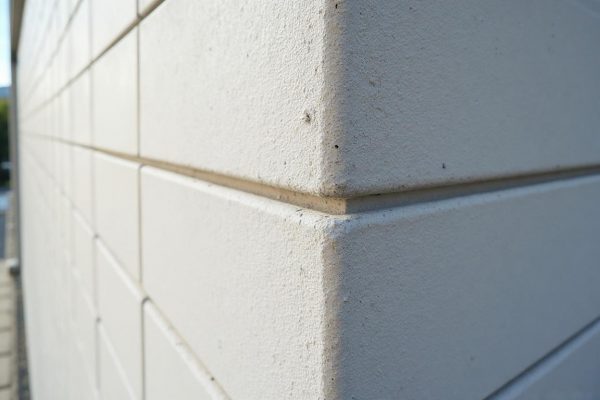
Depend Exteriors provides hail damage stucco repair across Edmonton, AB, Canada. We fix cracks, chips, and water damage caused by storms, restoring stucco and EIFS for homes and businesses. Our licensed team handles residential and commercial exterior repairs, including stucco replacement, masonry repair, and siding restoration. Known throughout Alberta for reliability and consistent quality, we complete every project on schedule with lasting results. Whether you’re in West Edmonton, Mill Woods, or Sherwood Park, Depend Exteriors delivers trusted local service for all exterior repair needs.
8615 176 St NW Phone:
(780) 710-3972
Website:
dependexteriors.com |
Google Site |
WordPress
Depend Exteriors – Hail Damage Stucco Repair Experts in Edmonton, AB
Depend Exteriors
Edmonton,
AB
T5T 0M7
Canada