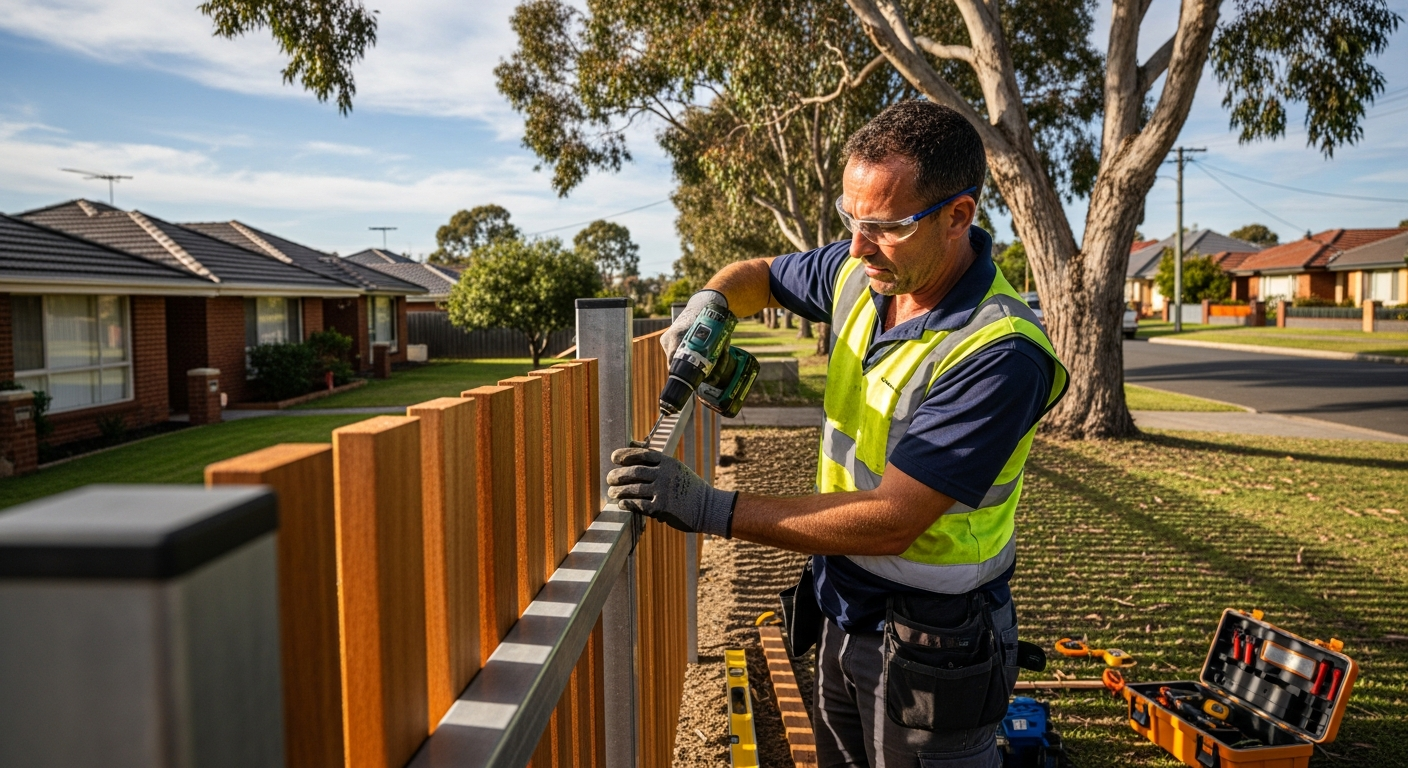
Identifying Hidden Fence Damage Early
A fencing is just one of those work individuals believe they "see" daily, also when the damage is doing its sluggish job behind the surface area. A loose paling is apparent. A leaning message is tougher to disregard. But the actual difficulty commonly starts earlier, in places you hardly ever look: under the base of a message, where lumber meets dirt, along the within side of a gateway structure, or at the specific point where a fencing panel traps wetness versus the hardware.
I've walked sufficient backyards with fence contractors and fence installers to recognize the pattern. The cost balloons when we wait for the fencing to look negative from the driveway. Covert damage normally has a peaceful phase first, and if you discover what to look for, you can capture it prior to the fixing turns into a full replacement.
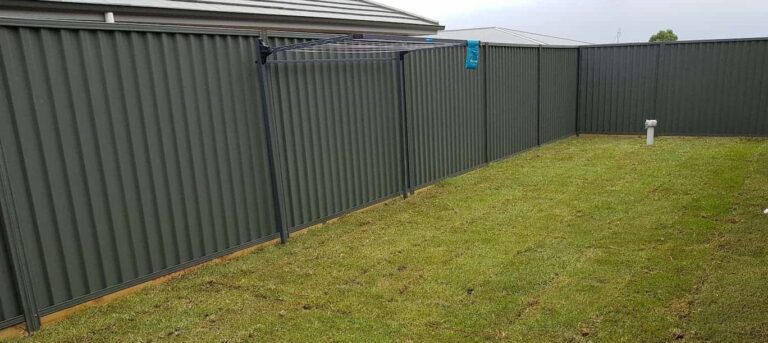
Below is a functional overview to finding surprise fencing damages early, with the kind of monitorings I make use of on site, whether the work entails a fence company, a fence installer, or fencing contractors Melbourne handling repair work after hefty weather.
Why "hidden" damages spreads quicker than you would certainly expect
Fence products are easy, yet the forces acting upon them are not. Water sits where you can not see it. Dirt shifts with rainfall and dry spell cycles. Wind loads struck rails and pickets, after that transfer tension into articles and dealings with. Most failures aren't abrupt. They're incremental.
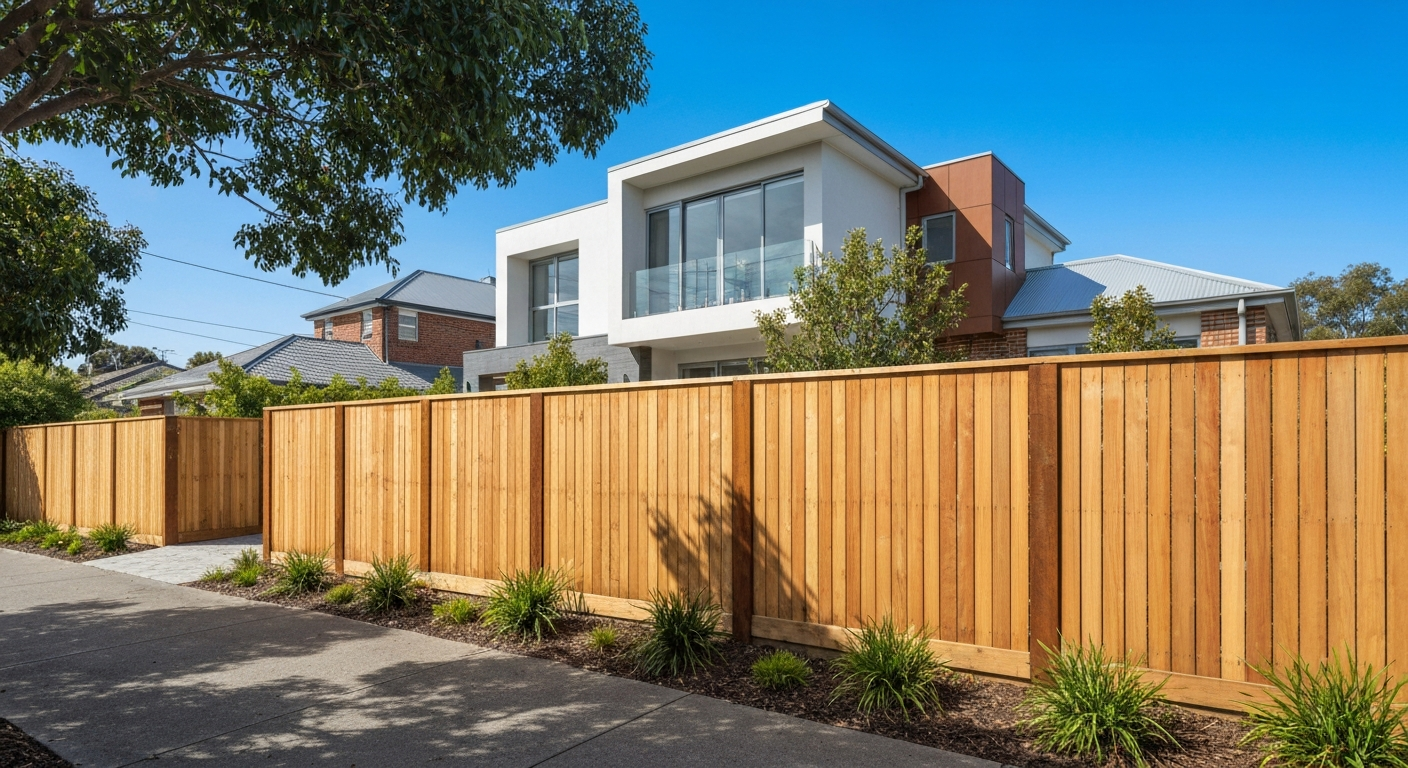
A common example is a post that looks right at the top. Up close, you could observe a hairline space around the post base cover, or damp staining on one side just. That's typically an indication the ground get in touch with is stopping working, or the concrete and backfill have broken. Gradually, the blog post gradually turns. Then the rails start to function loose, the mendings grind, and the fence begins making sounds in the wind. By the time the fencing noticeably leans, the damages has actually currently advanced into the framing.
Another instance is wood fencing with metal brackets or bolts. If the brace face is trapped versus wood that stays wet, rust can slip into the joint. From the outside, the board may look fine. Inside the pile, rust expands and pressures movement. That activity loosens screws, and as soon as the bolts begin to slip, the whole section sheds alignment.
The previously you capture the quiet stage, the less expensive the repair tends to be. Sometimes it's simply re-seating and re-fastening. Various other times it's a message base adjustment before rot takes a complete hold.
The "telltales" you can identify without special tools
You do not require a meter or a workshop to find early warning signs. A great eye plus a couple of mins of evaluation can expose a great deal. I commonly inform property owners to do a slow stroll with their eyes at different heights: reduced to detect ground and base problems, mid-level for rails and fixings, and high for top rails and panel alignment.
Here are the patterns that generally turn up first.
Base troubles: the soil interface is where fences most likely to fail
If your fencing is wood, colourbond, paling, or comparable, the message base location is the risk zone. Hidden damage here can be difficult to see, especially if there's an attractive post cap or cladding. Still, you can search for clues:
- staining or darker patches at one side of the post
- a space in between all-time low of the post and any type of skirt or trim
- soil washouts after rain, where the ground looks scooped or sunken
- a a little various feel when you push the adjacent boards or rails, like the area has "play"
One yard I checked with a fence installer revealed nearly no visible rot above ground. The articles looked strong from the street. But after a fast scrape at the base, we discovered a blackened timber line simply under the soil. It had actually perspired for longer than the property owner realised, due to the fact that yard compost sat right up against the fence. The fencing itself still looked intact, yet the supporting framework was silently failing.
Hardware and mendings: corrosion, spotting, and "brand-new" movement
Even when the fencing looks fine, the repairings may be battling. Steel braces, hinges, remain dental braces, and fasteners are the locations where deterioration starts and then transfers right into hardwood or composite components.
Watch for:
- orange finding, particularly around screw heads or brace edges
- streaks of dark deposit coming from a brace line
- hinges that have started to move, even a little, when eviction is opened up and closed
- rails that sit somewhat out of level, or sections where the gaps between pickets look uneven
The technique is that mendings frequently corrode internally prior to the rust blooms fully. If you just examine from a distance, you'll miss out on the phase where a tiny repair work would have been straightforward.
Panel traps: when fences hold water and rot
Certain fencing designs can catch dampness. For instance, when boards overlap in such a way that stops draining pipes, or when a panel edge relaxes versus one more surface. If you have a hardwood fence with support rails that hold drainage, it can remain moist longer than you expect.
Look for signs like:
- darker colour adjustments that do not fade throughout seasons
- a soft area when you gently press (do not compel it, just compare)
- paint bubbling along a side line
This is specifically typical when a fence is partially shaded. Shade slows down drying out. If the moisture remains high, timber can remain in that unpleasant center zone where it's not clearly "decomposed with," yet it is losing strength.
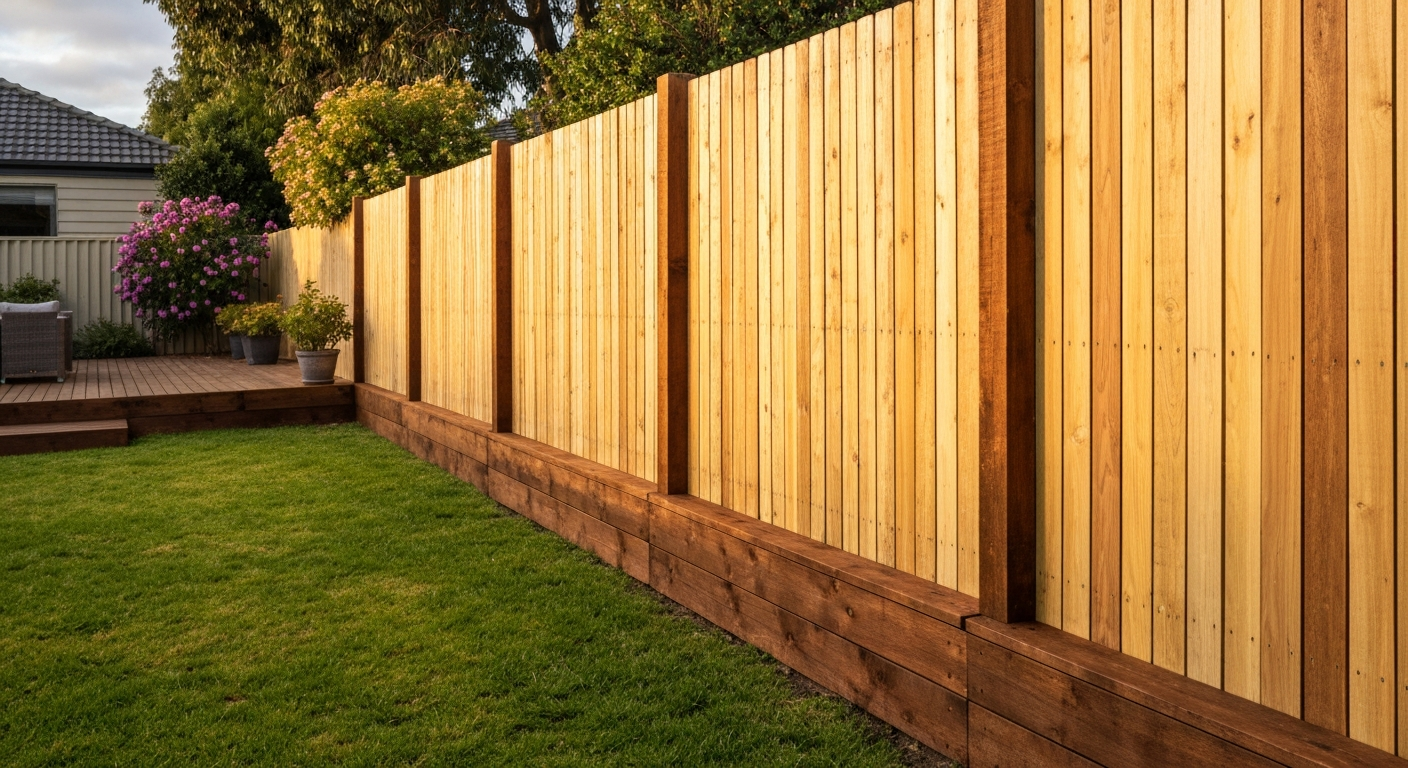
Weather and ground changes: the forces behind the very first failure
Most surprise fence damage comes to be noticeable after a weather condition occasion. You may not link the dots because the damages can establish over weeks after the tornado. If you reside in locations with regular rainfall or significant temperature swings, you can use seasonal timing as a guide.
After heavy rainfall, look for:
- watermarks or debris lines on posts
- fresh spaces at the base, where dirt has actually washed away
- rails that appear slightly displaced from their common straight line
After hot, completely dry durations, watch out for:
- shrink spaces in wood that was steady earlier
- movement at joints as timber contracts
- cracks in concrete grounds or base borders, if present
And after wind, do not only search for dents or bent pickets. Wind uses a turning force. It can make a fencing "rack" somewhat. Even if the fence looks directly after the tornado, the inner alignment might have shifted. Once that positioning adjustments, fixings can loosen up with the following few breezes.
In fencing contractor Melbourne projects, we often see this cycle after storms, due to the fact that wind plus rain is the worst combination for dampness entraped near repairings. The fence may not stop working right away, but the next completely dry period speeds up the loosening up due to the fact that the wood and the hardware relocation at different rates.
Gates are not simply "component of the fencing." They are a stress and anxiety test.
If your fencing line is mostly stable, the gate usually discloses problems first. Gates see duplicated opening up loads, plus they tend to be subjected to larger weather. The hinges and lock area take high pressures, and any base movement turns up rapidly as misalignment.
Early entrance damage can appear like:
- the lock not capturing properly unless the gate is raised slightly
- hinges that squeal more than usual
- a noticeable sag that boosts over a couple of weeks
- the gap between gate and structure narrowing on one side and expanding on the other
A small hinge adjustment can repair what looks like a bigger structural trouble. However if eviction is binding because the message base is relocating, hinge change alone just gets time.
One practical method I utilize is to see eviction during opening. If eviction "droops" at the beginning and then returns, you may be seeing hinge wear or small frame flex. If it sags slowly and the motion becomes worse after rain, base shifting is more likely. That distinction helps make a decision whether a fence company must fix hinges and tighten hardware, or whether fencing contractors need to attend to post security too.
The fast, sincere assessment routine I recommend
If you want a routine that doesn't become a weekend break project, maintain it easy. You're intending to discover very early indication, not validate a complete structural failing on day one.
Here's a lightweight examination strategy I typically suggest to customers, also when they intend to obtain a Fence installer Melbourne or a fencing contractor to do the much heavier job later.
- Start at one article and inspect the base location for staining, voids, or washout
- Check rails and pickets for unequal spacing and any type of area that feels "loose" when gently pressed
- Look in all noticeable joints, latch factors, and brace lines for corrosion touches or bolt movement
- Walk the fence line in both directions, contrasting exactly how straight it looks about a taken care of recommendation like a driveway edge
- Take two or three phone pictures from the very same angles so you can contrast after the following storm
This is not concerning being paranoid. It has to do with capturing the stage where repair work is small.
Hidden damage indicators you can just validate by looking closer
Some problems can not be confirmed from across the lawn. If you believe a base problem or very early rot, you might need to examine a lot more very closely, yet do it safely. Do not dig boldy around blog posts unless you fit doing it without developing brand-new damages. If you're not sure, hire a fence installer, because inaccurate digging can threaten a footing.
When house owners call a fencing contractor, we in some cases find damages right where you would certainly never think to look. Examples:
- the bottom of a bottom rail where compost meets it
- the inside face of an article where an adjoining fence or garden function traps moisture
- the back side of a gate framework where the hinge plate rests and water diminishes into the screw line
- timber that is solid over ground, but squishy at the degree where soil dampness reaches
If you locate a regional soft area, treat it as a structural caution even if it seems tiny. Timber stamina goes down prior to the area completely breaks down. That implies you can have a "spot" that looks convenient yet in fact stands for broader destruction, especially in joints.
What "early repair service" generally resembles (and the trade-offs)
Early intervention is not one magic solution. It relies on what's actually stopping working. In some cases the most effective relocation is to secure and re-fastening. Other times the blog post should be changed because the base is compromised.
Here are common repair service categories you could speak with a fence contractor, and the compromises that come with each.
If the article base is still solid and the issue is mostly positioning, changes and re-fastening can bring back stability rapidly. That can be affordable, however it presumes the assistance framework is healthy and balanced. If moisture is proactively feeding the joint, the issue returns.
If the post is moving due to dirt washout or structure fractures, the repair could consist of re-setting the blog post and improving drain or backfill. That's more job, however it can avoid recurring looseness. In many cases, resolving the ground call needs digging, disposal, and perhaps re-matching fencing line levels.
If hardwood rot exists, "patching" can function just if rot is restricted and you can eliminate all impacted product. People occasionally attempt to cut out a little area and replace an item of lumber, yet fence stress and anxieties are transferred across rails and blog posts. If rot is in an architectural zone, replacement is often the a lot more reputable outcome.
With steel fence, early damages might be a loosened brace, a stopping working weld, or an area that has begun to turn. In that situation, tightening up and strengthening can expand life. But if the base is rusted through or the repairings have actually fallen short internally, a panel or post replacement is generally the safer long-lasting approach.
The primary trade-off is time. Early repair work often suggest you are paying for work prior to significant products are needed. Delaying has a tendency to require more areas, even more hardware, and even more time lining up every little thing back to straight.
How to choose whether to do it yourself checks or call fencing contractors
There's a factor where assessment comes to be intervention. You can do the initial component easily. You should be careful with the second part.
A homeowner can generally take care of non-invasive checks: looking for corrosion lines, examining gate latching, comparing fence straightness after tornados, and taking baseline images. However, for anything involving excavation, getting rid of multiple sections, or dealing with unpredictable posts, it deserves calling a Fence company or knowledgeable fencing contractors Melbourne.
Here are signs that it's time to generate a specialist fence contractor or fence installer:
- the fencing area really feels shaky in numerous areas, not simply a solitary picket
- an entrance suddenly misaligns after rain and worsens over time
- you see energetic rust progression around structural brackets
- timber feels soft at or near ground level
- posts show up to lean, or the ground around them has noticeably sunken
If you're seeing multiple indicators at the same time, you'll typically save money by resolving the origin early, rather than tightening up hardware repeatedly.
Common "false alarms" that throw away money
Not every odd-looking fencing issue is hidden structural damage. Some are cosmetic or minor installment traits that never ever intensify. An excellent fence contractor learns the distinction, and so need to you.
Examples of points that can look startling but might not be structural:
- a small void between pickets triggered by regular contraction in particular hardwood grades
- a brace line that has surface area rust just, without any movement at joints
- an entrance that massages a little because of seasonal swelling, not base movement
- a section that looks irregular due to the fact that the ground inclines, not since the articles are failing
The secret is activity and progression. A minor cosmetic difference that stays regular over months could not be immediate. A modification that expands after storms is typically the genuine clue.
If you're not exactly sure, compare images. That's where your inspection regular pays off.
A couple of site-style ideas that prevent covert damages before it starts
Sometimes the most effective method to "find" hidden damage very early is to reduce the problems that produce it. I have actually seen plenty of fencings last much longer just because the ground and dampness pathways were handled well.
A few functional routines make a difference:
- Keep compost and growing back from the fencing base by enough range to allow airflow and drying
- Ensure downpipes, stormwater, and runoff do not unload directly at post bases
- Maintain paint or seal where needed, specifically on hardwood near sides and joints
- Use hardware created for outside conditions, including corrosion-resistant fasteners
- When repairing, match the existing fencing line levels so you do not produce brand-new tension points
These aren't flashy methods. They're the unglamorous information that stop dampness from living at the base and equipment interfaces.
What to file prior to repairs start
When you call a Fence company or fence installer, they'll ask what transformed and when. If you can offer clear observations, the inspection comes to be faster and the repair work becomes more accurate.
Take images that reveal:
- the complete fence line, so the specialist can see alignment
- the specific problem area close up, especially post bases and pivot lines
- any rust streaking, discoloration, or gaps at joints
- the entrance latch location when it's not catching properly
Also note current events like storms, heavy rainfall, or landscaping changes. Even something as simple as "I added mulch last month" can clarify why an area started stopping working sooner.
The bottom line: early detection is mainly regarding patterns
Hidden fence damage rarely announces itself in one significant method. It appears as subtle shifts, wetness hints, rust routes, and reoccuring imbalance, often after weather. If you develop a routine of inspecting the blog post bases, repairings, and entrance behaviour, you capture issues in their silent stage, when repair services are manageable.
A fence contractor can assist confirm what you think, specifically when structural stability is at danger. But you do not require to wait till the fencing looks crooked from the street. The best results take place when the initial indication is still small, and the repair does not call for replacing half the boundary.
If your fence is due for an update or you're hearing squeaks, seeing rust lines, or discovering base gaps after rain, consider bringing in a fencing contractor Melbourne or a neighborhood Fence installer to examine the root cause. You'll obtain more self-confidence in what's occurring and a clearer path to stop the damage from spreading right into the following section.
And if you just take something from this, make it this: enjoy the fencing the means you watch a gradually altering practice. Pay attention to what repeats. The pattern is the diagnosis.